Using Trees and Shrubs to Improve Soil Health Naturally

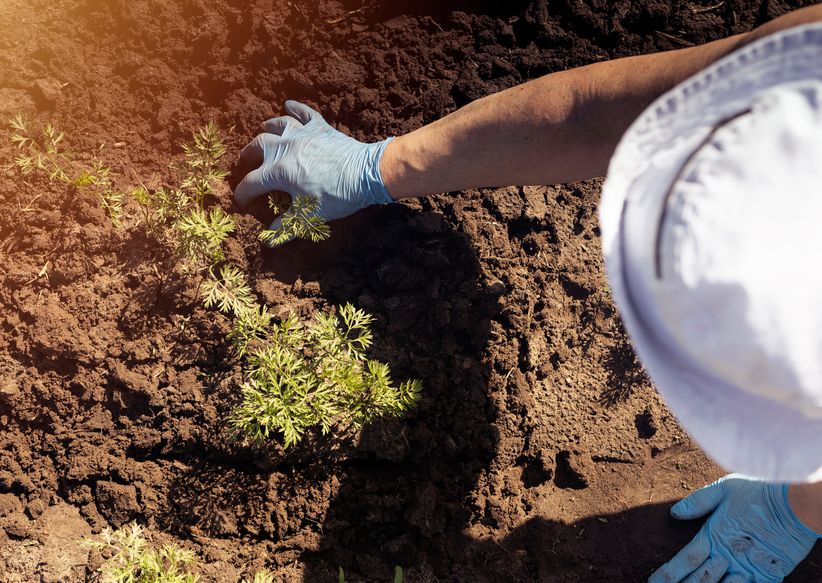
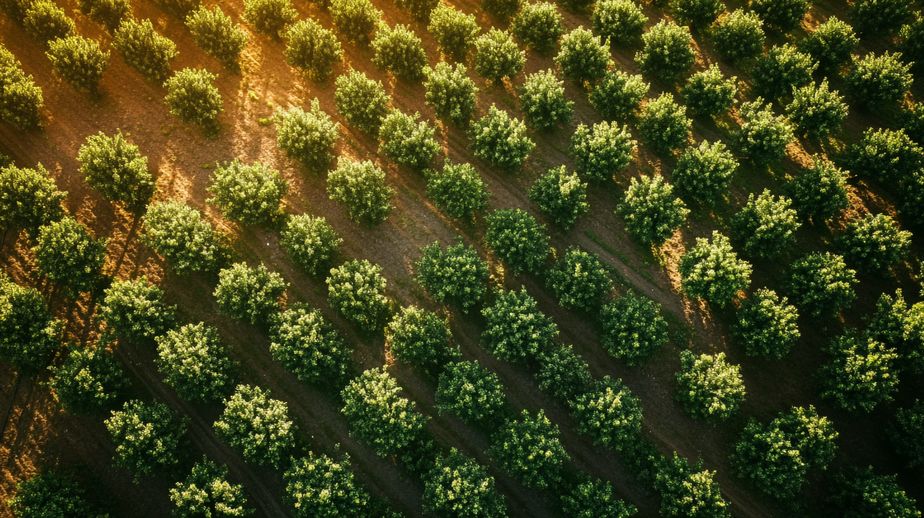
When people think about improving soil, they often picture fertilizers, compost, or other added materials. While those can help, one of the most effective and natural ways to build healthy soil is by planting trees and shrubs. Over time, these plants do much more than grow above ground. They actively improve what is happening below… Read more »

The Role of Shrub Density in Protecting Small Wildlife from Predators

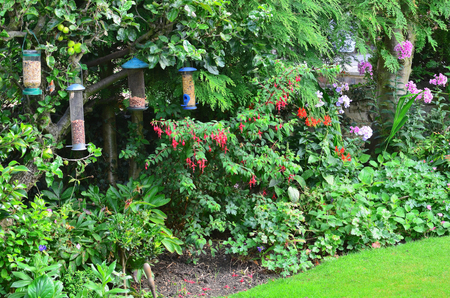
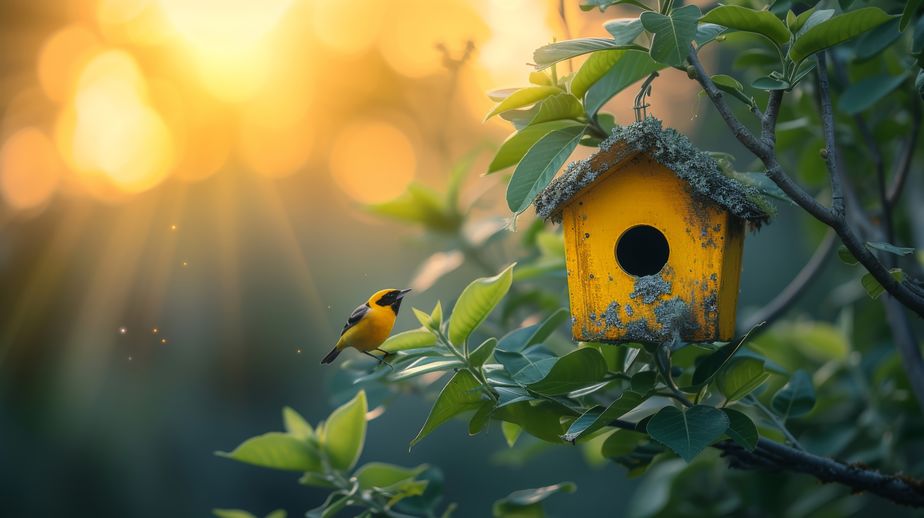
When people set out to attract wildlife, they often think about food first. Berry-producing shrubs, seed sources, and flowering plants all play a role. However, shelter is just as important. Small animals need a place where they feel safe from constant threats. Without reliable cover, even the best food sources will not keep wildlife around… Read more »

Transforming Marginal Farmland into Thriving Wildlife Habitat with Strategic Plantings

Many rural properties include sections of land that never seem to perform well for traditional farming. These areas may struggle with poor soil, excess moisture, uneven terrain, or ongoing erosion. While they can be frustrating for crop production, marginal fields offer valuable opportunities for conservation and habitat restoration. With thoughtful planning and the right selection… Read more »

Designing a Year-Round Food Plot with Trees and Shrubs

A food plot that only produces for one season can feel like a short-lived solution. Wildlife arrives, feeds, and moves on once the buffet is gone. A year-round food plot works differently. It creates a steady supply of nutrition and shelter, so animals feel comfortable staying on your land through every season. The secret to… Read more »

Why Thickets Matter: The Wildlife Value of Dense Shrub Groupings

Wildlife habitat is often imagined as tall trees and wide-open forests. While trees are important, many animals depend just as much on what happens closer to the ground. Dense shrub thickets create some of the most valuable habitat on a property, even though they are easy to overlook. These tightly planted groupings form shelter, feeding… Read more »

The Hidden Benefits of Planting Shrubs While the Ground is Still Cold

Most people wait for a warm spring day before planting shrubs. It feels natural to get outside when the air softens, and the soil warms up. The problem is that shrubs do not follow the same instincts we do. They are built for cooler conditions, especially when planted as bare root stock. Planting while the… Read more »

Why Buying Wholesale from a Nursery Like Cold Stream Farm Pays Off Versus Retail

When youโ€™re ready to plant trees or shrubs for your landscape or wildlife habitat, where you buy your plants makes a big difference. Many people start by browsing local garden centers or retail nurseries because theyโ€™re familiar and easy to visit. However, when you need quality plants in larger quantities, buying from a wholesale nursery… Read more »

Underused Native Shrub Species that Deserve More Attention

Native shrubs do an incredible amount of work in Midwest and Great Lakes landscapes. They steady soil, shelter birds and pollinators, tolerate freeze thaw cycles, and give structure through every season. Yet many plantings rely on the same few species. If you want a more resilient, wildlife friendly property or you simply want a landscape… Read more »

Combating Deer & Other Wildlife Damage Without Excessive Fencing

If you have ever planted trees or shrubs only to see them chewed down by deer, you know how frustrating it can be. While fencing may be an obvious solution, it is not always practical, especially on large properties or open landscapes. Fortunately, there are effective ways to reduce damage without relying on tall barriers…. Read more »

How to Support Pollinators with Flowering Trees and Shrubs

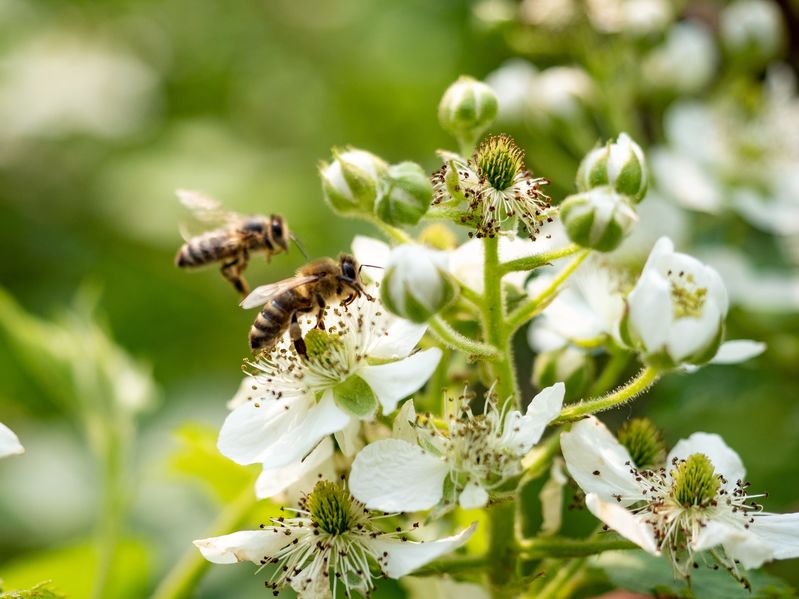
Bees buzzing through blossoms, butterflies dancing from flower to flower, hummingbirds hovering with their wings beating in a blurโ€”pollinators bring life and movement to our landscapes. But beyond their beauty, these creatures are essential. They ensure plants reproduce, fruits ripen, and ecosystems stay balanced. Without them, our food supply and natural spaces would look very… Read more »