Designing a Four-Season Landscape Using Native Trees and Shrubs

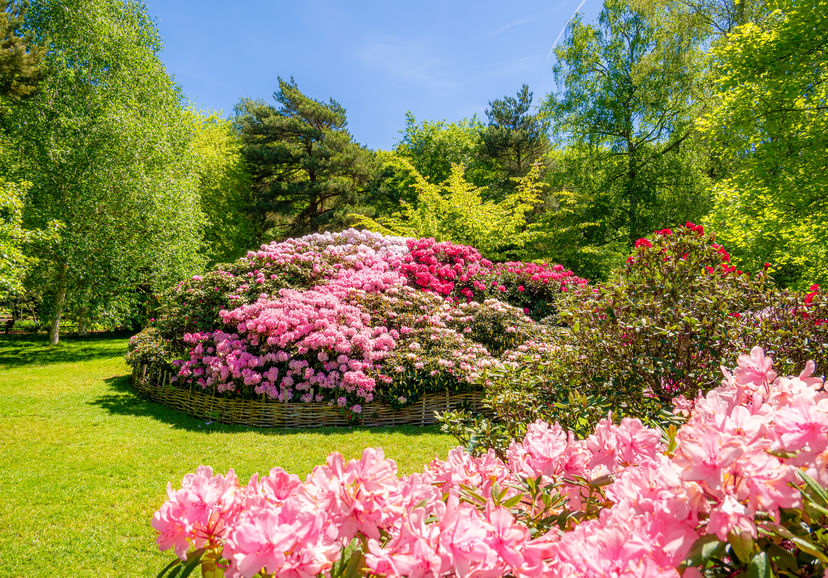
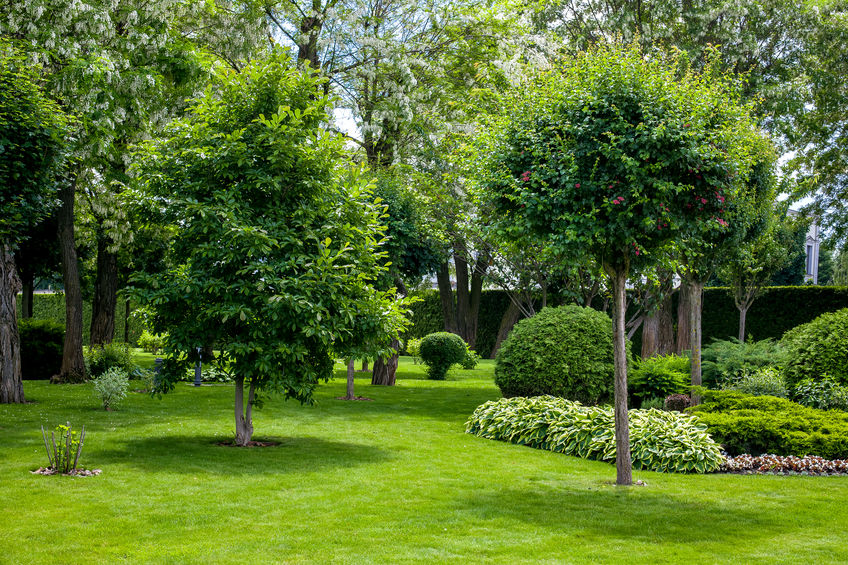
A thoughtfully designed landscape should offer beauty and purpose every month of the year. While many landscapes look their best for only a few weeks in spring or summer, one built with native trees and shrubs can provide changing colors, seasonal interest, and valuable wildlife habitat from January through December. Whether you are planting around… Read more »

Why Bare Root Trees Are an Excellent Choice for Large Conservation Projects

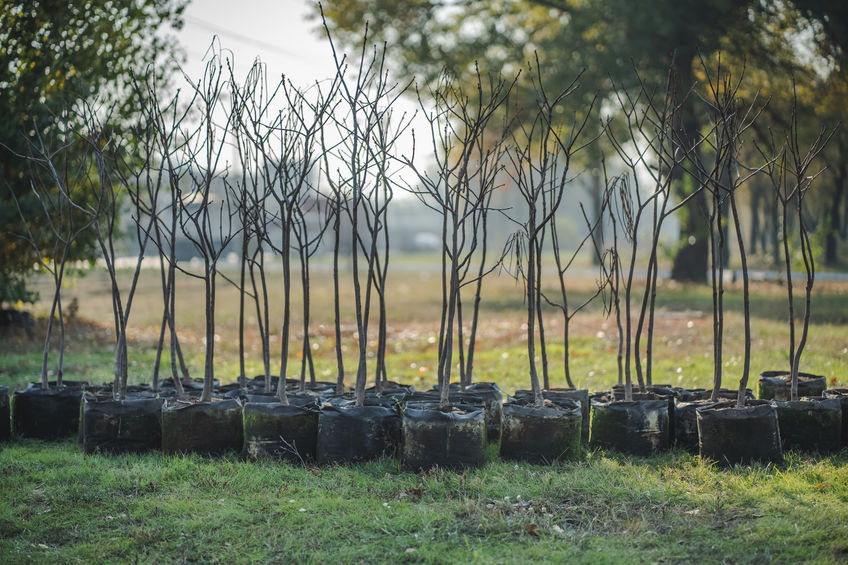
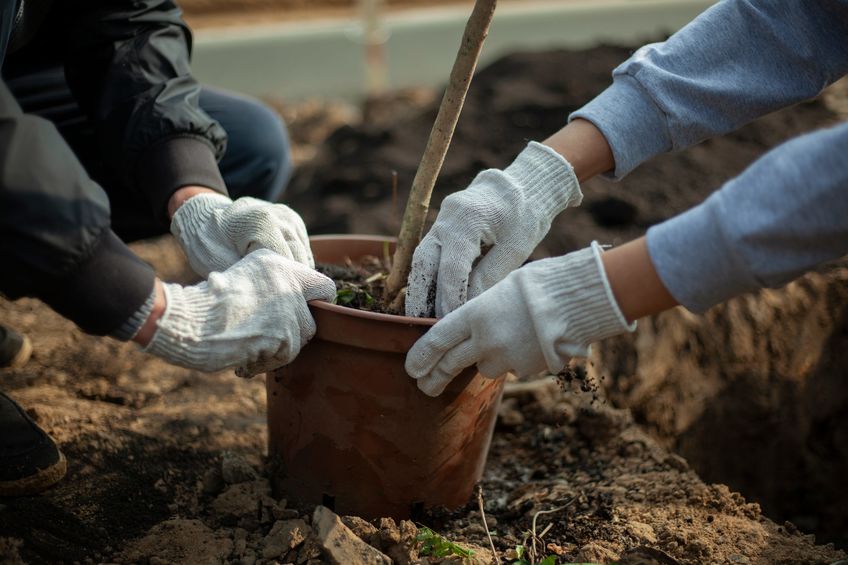
Restoring natural landscapes often involves planting a large number of trees and shrubs across parks, nature preserves, farmland, or other open spaces. For municipalities, nonprofit organizations, conservation groups, and private landowners, finding an affordable and efficient way to complete these projects is essential. That is why bare root trees have become a popular choice for… Read more »

Choosing Trees and Shrubs for Restoring Abandoned Farmland

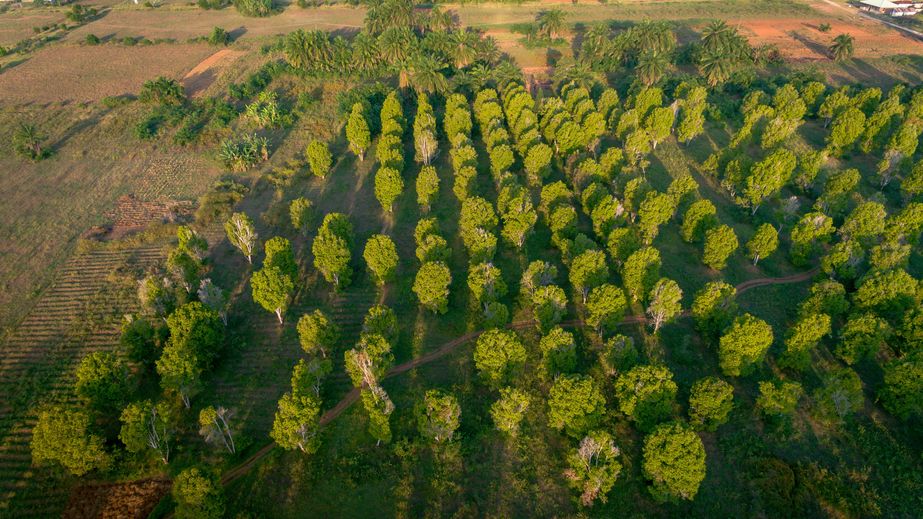
Restoring abandoned farmland is an exciting opportunity to give unused land a new purpose. Whether your goal is to establish a woodland, create a wildlife habitat, or simply improve the health of your property, planting trees and shrubs is one of the best places to start. Choosing bare root trees and shrubs offers an economical… Read more »

How Tree Plantings Can Improve Water Quality on Private Land

Many property owners plant trees for privacy, wildlife habitat, shade, or landscaping. While these are all valuable benefits, trees can also play an important role in protecting and improving water quality. Whether you own a small rural property, manage farmland, or oversee a larger conservation project, strategic tree planting can help create cleaner water and… Read more »

Creating Pollinator Corridors Across Large Properties

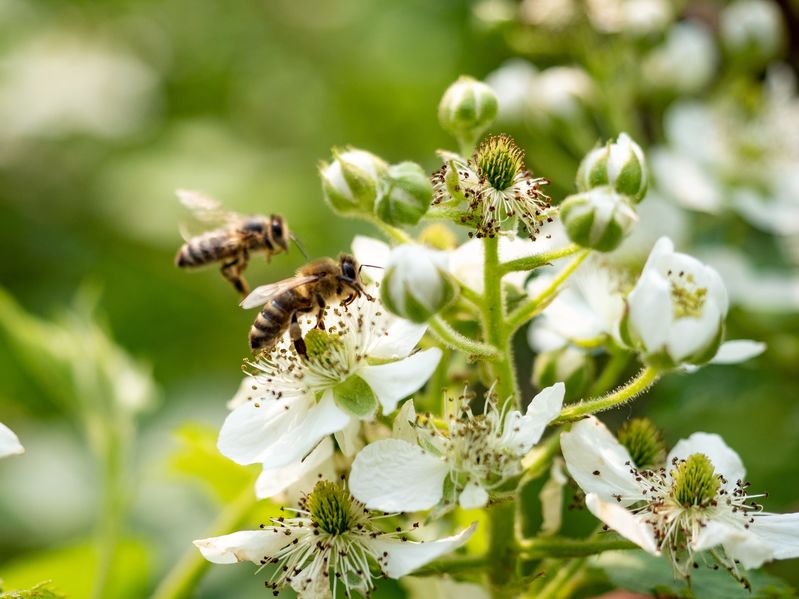
Pollinators are essential to healthy landscapes. Bees, butterflies, hummingbirds, and other pollinating species help plants reproduce, support wildlife populations, and contribute to thriving ecosystems. Unfortunately, habitat loss has made it more difficult for many pollinators to find the food and shelter they need. For owners of large properties, creating pollinator corridors is an excellent way… Read more »

Using Native Trees to Reduce Heat and Improve Rural Property Comfort

When people think about improving rural property, they often focus on buildings, landscaping, or outdoor amenities. However, one of the most effective long-term investments may already be growing in nature. Native trees provide far more than beauty. They can help cool the landscape, create comfortable outdoor spaces, and even lower energy costs for homes and… Read more »

How Tree Planting Adds Long-Term Value to Rural Properties

Planting trees is one of the smartest ways to improve the long-term value of rural property. While the visual appeal is obvious, the real benefits develop over time beneath the surface. Tree roots help hold soil in place, which reduces erosion and keeps land from washing away during heavy rain. This is especially important for… Read more »

Why Bare Root Trees Often Outperform Container-Grown Stock in the Long Run

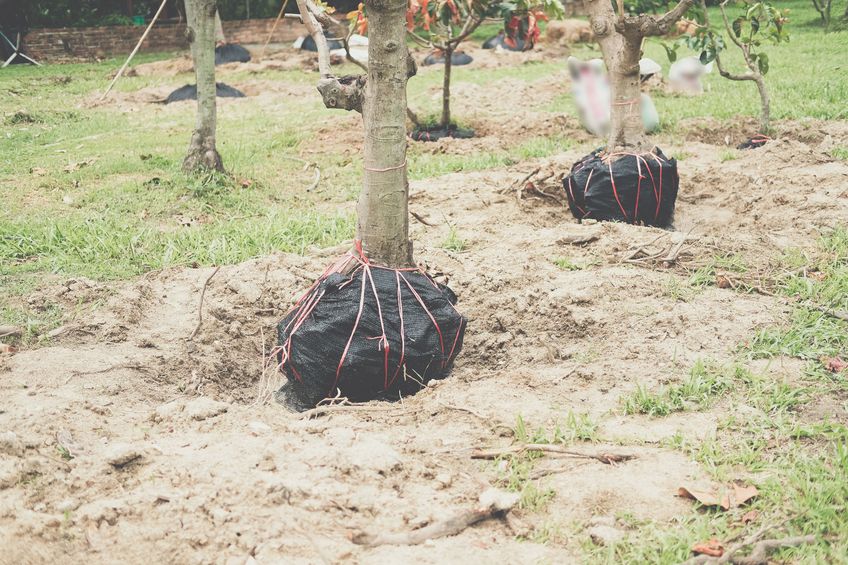
Choosing the right type of tree stock can make a noticeable difference in how your landscape or wildlife habitat develops over time. While container-grown trees are a common choice, bare root trees often prove to be the better option when you look at long-term growth, health, and overall performance. Natural Root Systems Lead to Better… Read more »

Using Trees and Shrubs to Improve Soil Health Naturally

When people think about improving soil, they often picture fertilizers, compost, or other added materials. While those can help, one of the most effective and natural ways to build healthy soil is by planting trees and shrubs. Over time, these plants do much more than grow above ground. They actively improve what is happening below… Read more »

Transforming Marginal Farmland into Thriving Wildlife Habitat with Strategic Plantings

Many rural properties include sections of land that never seem to perform well for traditional farming. These areas may struggle with poor soil, excess moisture, uneven terrain, or ongoing erosion. While they can be frustrating for crop production, marginal fields offer valuable opportunities for conservation and habitat restoration. With thoughtful planning and the right selection… Read more »

Balancing Open Space and Tree Cover for Healthier Wildlife Populations

Establishing a productive wildlife habitat involves more than planting rows of trees across a property. While wooded areas provide critical protection and food sources, open ground is equally important for supporting diverse and stable wildlife populations. Landowners who thoughtfully combine tree cover with natural clearings often see better wildlife movement, stronger plant growth, and a… Read more »

Choosing Tree Species That Adapt Well to Changing Midwest Weather Patterns

Midwest landowners are becoming more aware of how unpredictable seasonal conditions can influence planting success. From sudden heavy rain to extended dry periods and fluctuating winter temperatures, the region’s weather patterns continue to shift. When planning a landscape improvement or wildlife habitat project, selecting tree species that can adjust to these changes is one of… Read more »