
Every farmer understands that success in the field depends on more than good seed and fertile soil. Weather conditions play a major role in crop performance, and one of the most overlooked factors is wind. While wind may seem harmless on most days, constant exposure can dry out soil, damage plants, and contribute to erosion that affects long-term productivity.
One proven way to reduce these challenges is using shelterbelts. These carefully planned rows of trees and shrubs provide protection for crops, livestock, and farmland while creating a healthier growing environment. Shelterbelts have been used for generations across agricultural regions because they offer practical benefits that continue year after year.
Understanding the Purpose of Shelterbelts
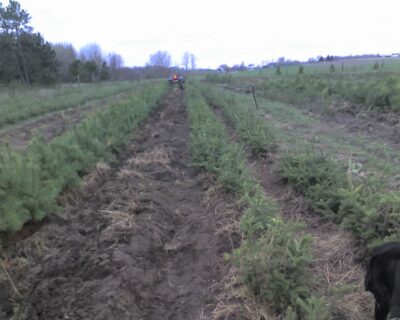
A shelterbelt is a row or series of rows of trees and shrubs planted to slow wind movement across open land. Unlike a solid barrier, a shelterbelt filters the wind rather than completely blocking it. This creates a broad area of protection on the downwind side where crops experience less stress.
Farmers often plant shelterbelts around field edges, along property lines, near livestock areas, or adjacent to roads. Depending on the species selected and the height of the planting, shelterbelts can protect large sections of farmland.
The goal is simple. By reducing the impact of harsh environmental conditions, shelterbelts help create a more productive and sustainable agricultural landscape.
Reducing Wind Stress on Crops
Many crops are sensitive to strong or persistent winds. Wind can tear leaves, break stems, and interfere with normal plant growth. Young seedlings are particularly vulnerable because they have not yet developed strong root systems or mature structures.
Even when wind does not cause visible damage, it can still slow growth. Plants exposed to constant wind often use more energy to survive and recover rather than directing that energy toward producing flowers, fruits, or grain.
Shelterbelts help reduce these stresses by creating calmer conditions throughout the growing season. When crops experience less physical strain, they are often able to grow more efficiently and reach their full yield potential.
Helping Soil Hold Valuable Moisture
Water is one of the most important resources on any farm. Unfortunately, wind speeds up moisture loss from both the soil and the plants growing in it.
As wind moves across open fields, evaporation increases. During hot, dry periods, this can lead to moisture shortages that affect crop performance. Shelterbelts help slow air movement and reduce evaporation rates, allowing soil to retain moisture for longer periods.
This additional moisture can make a meaningful difference during dry summers or periods of limited rainfall. In some situations, conserving soil moisture may also help reduce irrigation demands and improve water-use efficiency.
Protecting Topsoil from Erosion
Healthy topsoil is one of a farm’s most valuable assets. It contains organic matter, nutrients, and beneficial microorganisms that support plant growth. When wind erosion removes this top layer, productivity can suffer for years.
Open agricultural fields are especially vulnerable to erosion when vegetation is sparse or fields have recently been tilled. Strong winds can carry away fine soil particles, leaving behind less fertile ground.
Shelterbelts help prevent this problem by reducing wind speed near the soil surface. The trees and shrubs act as a protective buffer that keeps soil in place. Their root systems also contribute to better soil stability and structure over time.
Preserving topsoil not only supports current crops but also helps maintain the long-term value and productivity of farmland.
Creating Better Growing Conditions
One of the most valuable benefits of a shelterbelt is its ability to create a more favorable microclimate. A microclimate is a small area where environmental conditions differ slightly from surrounding locations.
Within sheltered areas, crops often experience reduced temperature extremes, lower wind stress, and more consistent moisture levels. These conditions can support healthier plant development throughout the season.
In some regions, shelterbelts may also help reduce frost damage by influencing air movement and temperature patterns around fields. While they cannot eliminate weather risks entirely, they can help moderate some of the challenges that farmers face each year.
Benefits Beyond the Crop Field
The advantages of shelterbelts extend far beyond crop production. Many agricultural operations use shelterbelts to improve conditions for livestock as well.
Animals exposed to constant wind often require more energy to maintain body temperature, especially during colder months. Wind protection can help create more comfortable environments that support animal health and productivity.
Shelterbelts also provide protection for barns, equipment storage areas, roads, and fencing. During winter, they can help reduce snow drifting and make access routes easier to manage.
These added benefits often make shelterbelt projects a worthwhile investment for a wide range of agricultural properties.
Supporting Wildlife and Pollinator Populations
Shelterbelts can also contribute to environmental stewardship by providing habitat for wildlife. Trees and shrubs offer food, nesting areas, and protective cover for birds and other beneficial species.
Flowering shrubs can attract pollinators that support nearby crops and native plant communities. The diversity created by a shelterbelt can improve the overall ecological health of a property while still serving important agricultural purposes.
For landowners interested in conservation, wildlife management, or habitat restoration, shelterbelts provide an opportunity to achieve multiple goals with a single planting project.
Selecting the Right Trees and Shrubs
Choosing appropriate species is one of the most important steps in building an effective shelterbelt. Factors such as climate, soil type, available space, and desired outcomes should all be considered during the planning process.
Many landowners combine evergreen trees, deciduous trees, and shrubs to create multiple layers of protection. Evergreens provide year-round coverage, while deciduous species and shrubs contribute diversity and habitat value.
Bare root trees and shrubs are often the preferred choice for large-scale shelterbelt projects because they are affordable, easy to transport, and well-suited for establishing extensive plantings.
A Smart Investment in Farmland’s Future
Shelterbelts are not a short-term solution. They are a long-term investment that can continue delivering benefits for decades. By reducing wind damage, conserving moisture, protecting soil, and improving growing conditions, shelterbelts help support healthier crops and more resilient farmland.
Whether the goal is increasing productivity, reducing erosion, supporting wildlife, or improving overall land management, strategically planted trees and shrubs remain one of the most valuable tools available to farmers and rural property owners. A well-designed shelterbelt can strengthen both the health of the land and the success of the operation for generations to come. Contact Cold Stream Farm at (231) 464-5809 today or visit us online for more information!