
Wholesale Grasses for Sale
You might not necessarily think of grasses as decorative features for your home or business, but you will be blown away by some of the different types of beautiful grass available. We carry several different types of grass, including Fountain Grass (Pennisetum Alopecuroides), Cattails, and Beachgrass (Ammophila Breviligulata) that can be incorporated into any outdoor design. You will love the way they look once they start growing in your yard, and you will wonder why you did not think to plant these types of grasses sooner.
About Fountain Grass
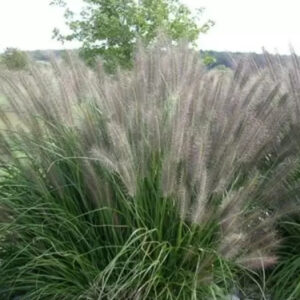
The Fountain Grass (Pennisetum Alopecuroides) we sell prefers to be planted in moist soil with either partial or full sun exposure. It can tolerate Black Walnut and is known to be deer proof. It will attract birds to your property and can be sown during any time of the year.
About Cattails
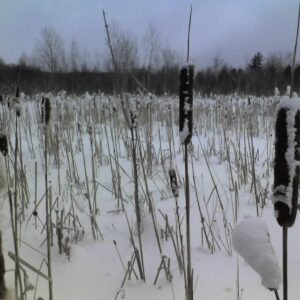
Cattails, meanwhile, grow well when planted in rich loams and likely to set up shop in watery, flooded conditions. They sprout flowers at various times of the year and often serve as nesting areas for wildlife.
About Beachgrass
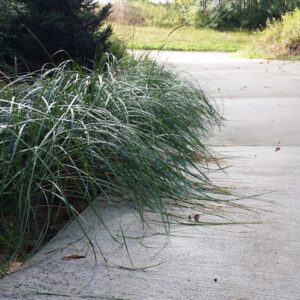
Beachgrass (Ammophila Breviligulata) will grow best when planted in sand. Since it is used to being exposed to the elements on the beach, it can withstand being in direct sunlight and deals with the harshest of temperatures and winds.
Wholesale Grasses for any Environment
Whatever type of grass you want to purchase, we supply you with everything you need to plant them. We even tell you how to care for each grass type and provide you with more interesting facts about them. We are constantly offering new types of grass and know we will have something you love in stock.
If you would like to obtain any of the grasses you see, reach out to Cold Stream Farm at 231-464-5809. Learn more about our grass in our Ornamental Grass Resource Center.
What kinds of grasses does Cold Stream Farm offer?
Cold Stream Farm offers a variety of ornamental and native grasses suited for landscaping, meadows, naturalized areas, erosion control, and habitat plantings. Selections include clumping and arching forms that add texture, movement, and seasonal interest to gardens.
Where do ornamental grasses grow best?
Most ornamental grasses prefer full sun to part sun and well‑drained soil. Many species are drought tolerant once established and perform well in borders, mixed perennial beds, meadow plantings, and open landscape areas.
How tall do ornamental grasses get?
Mature heights vary by species—from low ground‑habiting types under 1 foot tall to larger ornamental grasses and native bunchgrasses that can reach 3–6 feet or more. Always check individual product descriptions for specific height ranges.
Can grasses be used for erosion control?
Yes. Many grasses form dense fibrous root systems that hold soil in place on slopes, banks, and disturbed areas. Native grasses are frequently used in restoration projects and for stabilizing soils because of their deep rooting habits.
How do I care for grasses after planting?
Grasses generally require moderate watering until established. Once established, many species are drought tolerant and low‑maintenance. Cutting back old foliage in late winter or early spring helps promote fresh new growth.
Are ornamental grasses deer resistant?
Many ornamental grass species are less attractive to deer because of their texture and growth habit, but no plant is completely deer‑proof. Local deer pressure, food availability, and plant placement can influence grazing behavior.
Can grasses provide year‑round interest?
Yes. Many grasses offer multi‑season appeal: fresh spring growth, summer shape and texture, autumn color and seed heads, and attractive winter structure. Leaving cut foliage standing through winter can enhance visual interest.
Are native grasses good for pollinators?
While grasses themselves offer limited nectar, many native grassland mixes include forbs and wildflowers that support pollinators. In meadow and prairie plantings, grasses provide habitat structure and shelter for insects and wildlife.