
When people plant wildlife shrubs, they often picture quick results. Thick cover. Birds everywhere. Deer moving through the property with purpose. While those moments do come, wildlife plantings work on nature’s timeline, not ours. Understanding what happens year by year helps set realistic expectations and makes the waiting period far more rewarding.
What “Functional” Really Means for Wildlife Shrubs
A shrub does not need to be tall or mature to be useful. Functionality starts long before a planting looks finished. Early on, shrubs contribute through root development, soil improvement, and subtle habitat changes that are easy to overlook.
For wildlife, functional can mean safe movement, shelter from wind, access to insects, or young growth for browsing. Visual size is not the best measure of progress. What matters most is consistency and structure over time.
The First Growing Season Is About Survival
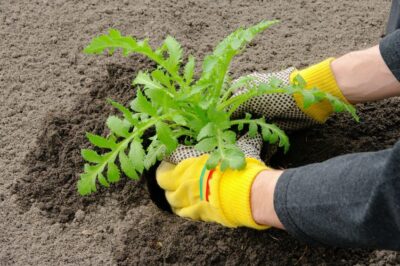
During the first year, wildlife shrubs focus almost entirely on establishing their root systems. Bare root plants especially may appear small or slow above ground. This can be discouraging for new planters, but it is exactly what should be happening.
Below the surface, roots are spreading, anchoring soil, and preparing the plant for future growth. While you may not see much change, the groundwork for long-term success is being laid.
Wildlife activity during the first year is usually limited but not absent. Insects are often the first to arrive, followed by small animals using the area for movement or temporary shelter.
Years Two and Three Bring Visible Progress
By the second and third growing seasons, shrubs begin shifting energy into above-ground growth. Branching becomes fuller, leaf density improves, and the planting starts to look intentional.
This is when many landowners notice the first clear signs of wildlife use. Birds may begin nesting in denser shrubs. Pollinators become more active around flowering species. Deer and rabbits often browse new growth, especially in spring.
At this stage, shrubs are doing meaningful work even though they are still developing. The habitat is forming, and animals are responding to it.
Years Four and Five Mark a Turning Point
Between years four and five, most wildlife shrubs reach a level of reliability. Cover is thicker, seasonal food sources increase, and shrubs provide shelter throughout more of the year.
This is when wildlife behavior becomes predictable rather than occasional. Birds return year after year. Small mammals establish pathways. Deer bedding areas may develop nearby. The planting begins influencing how animals move across the landscape.
For properties focused on conservation, hunting, or land restoration, this is often when the effort starts to feel fully worthwhile.
Long-Term Maturity Builds Strong Ecosystems
While shrubs become functional well before ten years, long-term maturity brings deeper benefits. Root systems are extensive, soil health improves through organic matter buildup, and maintenance needs decrease.
Mature shrub plantings support a wide range of life. Insects thrive in leaf litter. Birds and mammals follow food sources. Predators arrive as prey populations stabilize. The planting becomes part of a balanced ecosystem rather than a managed project.
These long-term benefits are why wildlife shrubs are considered a lasting investment rather than a quick fix.
What Can Speed Up or Slow Down Results
Several factors influence how quickly wildlife shrubs become functional. Species selection plays a major role, as some shrubs establish faster than others. Soil quality, moisture availability, and sunlight exposure all affect growth rates.
Early care matters as well. Weed control, mulching, proper spacing, and protection from heavy browsing help shrubs establish more quickly. Group plantings also tend to attract wildlife sooner than scattered individual shrubs because they create immediate structure.
Planning for flexibility is important too, especially when ordering wholesale stock. Substituting similar species can keep planting schedules on track without sacrificing habitat value.
Patience Creates Better Wildlife Habitat
Wildlife shrubs are not instant solutions, but they are dependable ones. Each year builds on the last. What begins as a small planting slowly transforms into shelter, food, and stability for countless species.
Understanding the timeline allows you to appreciate progress instead of waiting for perfection. With time, care, and realistic expectations, wildlife shrubs deliver benefits that grow stronger with every season.
At Cold Stream Farm, we believe successful landscapes are built patiently, with an eye toward the future and respect for how nature truly works. Contact Cold Stream Farm at (231) 464-5809 today or visit us online for more information!