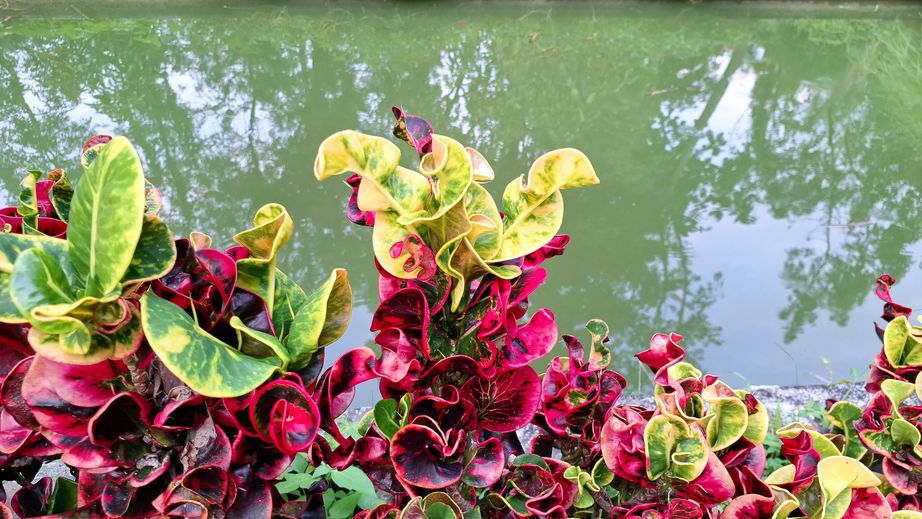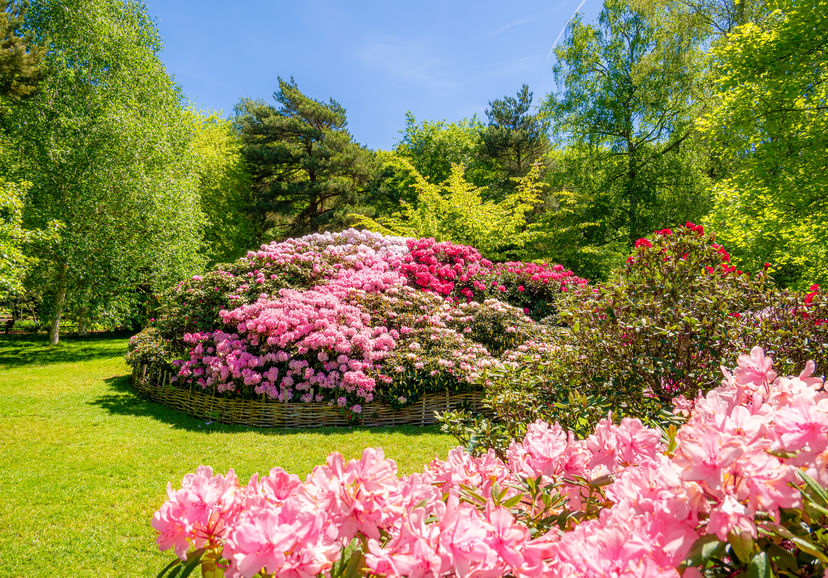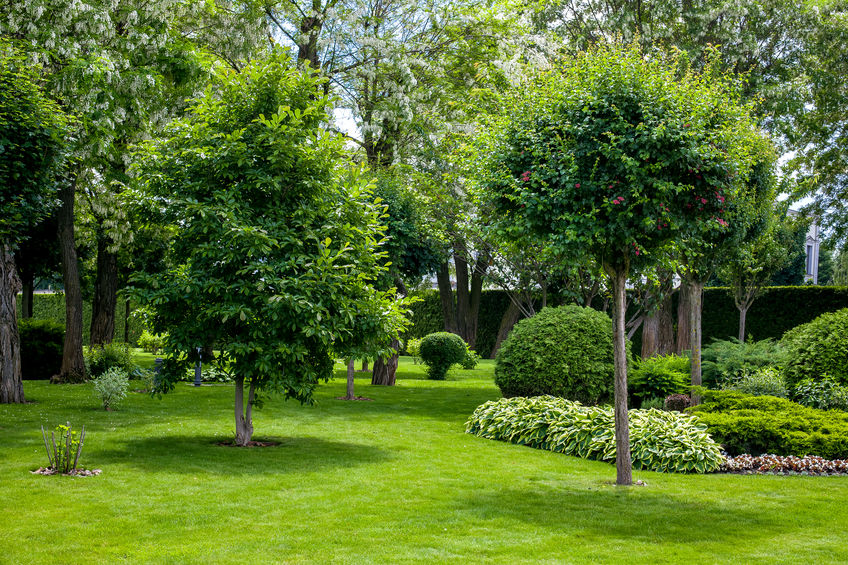
A thoughtfully designed landscape should offer beauty and purpose every month of the year. While many landscapes look their best for only a few weeks in spring or summer, one built with native trees and shrubs can provide changing colors, seasonal interest, and valuable wildlife habitat from January through December. Whether you are planting around… Read more »
Cold Stream Farm
Planting Trees to Encourage Beneficial Insects Beyond Pollinators
When creating a landscape that supports nature, many people focus on attracting bees and butterflies. While pollinators are incredibly important, they are only one part of a healthy ecosystem. Many other insects provide valuable services that help plants thrive, reduce pest problems, and support local wildlife. Planting a variety of trees and shrubs is one… Read more »
Choosing Trees and Shrubs for Restoring Abandoned Farmland
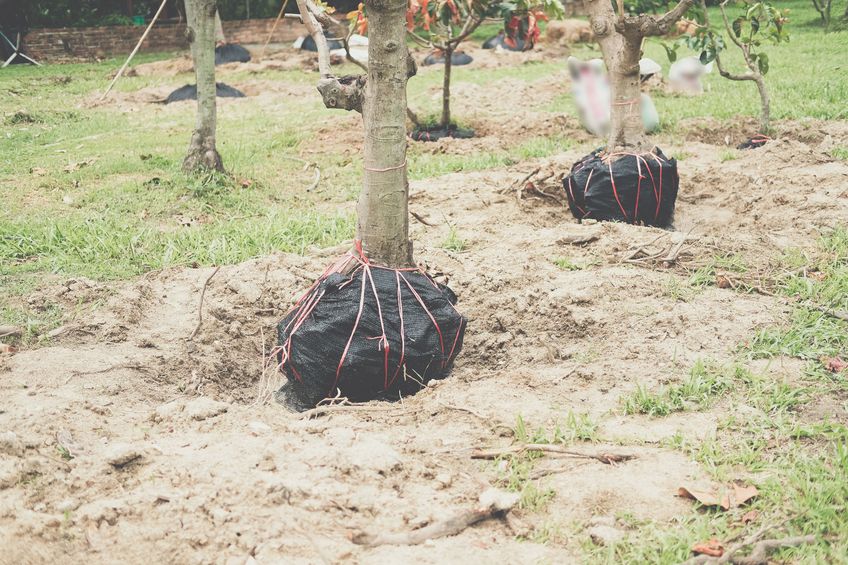
Restoring abandoned farmland is an exciting opportunity to give unused land a new purpose. Whether your goal is to establish a woodland, create a wildlife habitat, or simply improve the health of your property, planting trees and shrubs is one of the best places to start. Choosing bare root trees and shrubs offers an economical… Read more »
The Best Trees and Shrubs for Supporting Songbird Populations
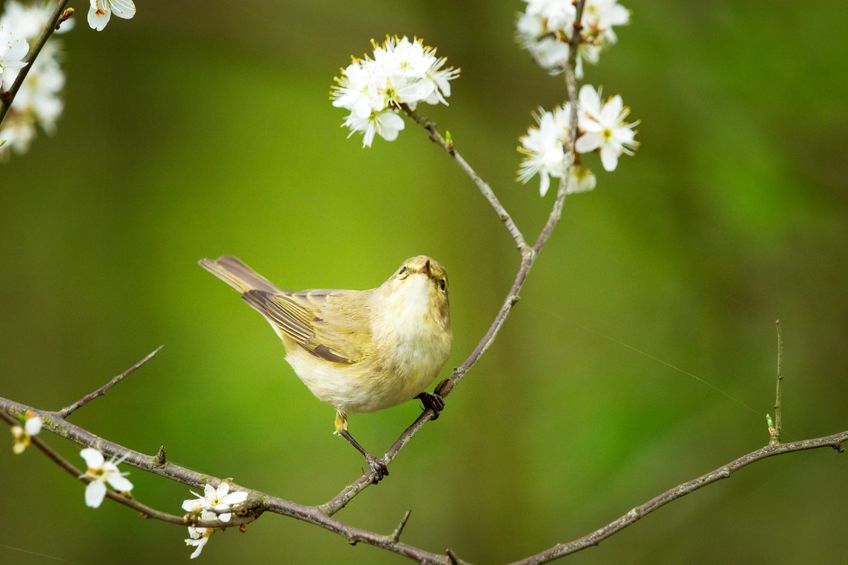
Songbirds bring life and energy to outdoor spaces. Their songs, colorful plumage, and active presence make them a favorite among nature enthusiasts and property owners alike. However, songbirds need more than open space to thrive. They depend on trees and shrubs for food, nesting areas, and protection throughout the year. By choosing the right plants,… Read more »
How Tree Plantings Can Improve Water Quality on Private Land
Many property owners plant trees for privacy, wildlife habitat, shade, or landscaping. While these are all valuable benefits, trees can also play an important role in protecting and improving water quality. Whether you own a small rural property, manage farmland, or oversee a larger conservation project, strategic tree planting can help create cleaner water and… Read more »
Creating Pollinator Corridors Across Large Properties
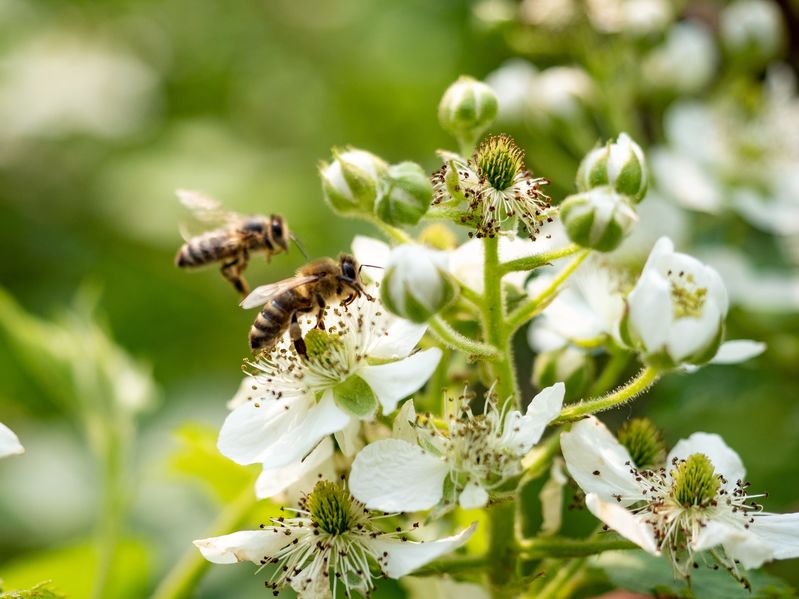
Pollinators are essential to healthy landscapes. Bees, butterflies, hummingbirds, and other pollinating species help plants reproduce, support wildlife populations, and contribute to thriving ecosystems. Unfortunately, habitat loss has made it more difficult for many pollinators to find the food and shelter they need. For owners of large properties, creating pollinator corridors is an excellent way… Read more »
Using Native Trees to Reduce Heat and Improve Rural Property Comfort
When people think about improving rural property, they often focus on buildings, landscaping, or outdoor amenities. However, one of the most effective long-term investments may already be growing in nature. Native trees provide far more than beauty. They can help cool the landscape, create comfortable outdoor spaces, and even lower energy costs for homes and… Read more »
The Role of Native Shrubs in Supporting Pollinators Beyond Summer
It is easy to associate pollinators with the height of summer when flowers are everywhere, and landscapes are full of color. The reality is that pollinators need support long before and long after that peak window. Native shrubs help bridge those gaps by offering consistent food and shelter throughout the growing season, especially in early… Read more »
How Tree Planting Adds Long-Term Value to Rural Properties
Planting trees is one of the smartest ways to improve the long-term value of rural property. While the visual appeal is obvious, the real benefits develop over time beneath the surface. Tree roots help hold soil in place, which reduces erosion and keeps land from washing away during heavy rain. This is especially important for… Read more »
Using Trees and Shrubs to Improve Soil Health Naturally
When people think about improving soil, they often picture fertilizers, compost, or other added materials. While those can help, one of the most effective and natural ways to build healthy soil is by planting trees and shrubs. Over time, these plants do much more than grow above ground. They actively improve what is happening below… Read more »
The Role of Shrub Density in Protecting Small Wildlife from Predators
When people set out to attract wildlife, they often think about food first. Berry-producing shrubs, seed sources, and flowering plants all play a role. However, shelter is just as important. Small animals need a place where they feel safe from constant threats. Without reliable cover, even the best food sources will not keep wildlife around… Read more »
Transforming Marginal Farmland into Thriving Wildlife Habitat with Strategic Plantings
Many rural properties include sections of land that never seem to perform well for traditional farming. These areas may struggle with poor soil, excess moisture, uneven terrain, or ongoing erosion. While they can be frustrating for crop production, marginal fields offer valuable opportunities for conservation and habitat restoration. With thoughtful planning and the right selection… Read more »