
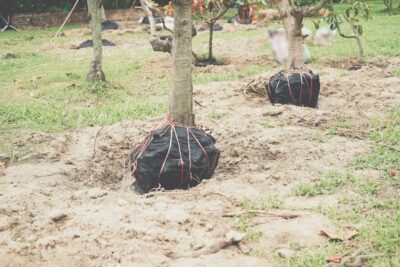
Many property owners plant trees for privacy, wildlife habitat, shade, or landscaping. While these are all valuable benefits, trees can also play an important role in protecting and improving water quality. Whether you own a small rural property, manage farmland, or oversee a larger conservation project, strategic tree planting can help create cleaner water and a healthier environment.
Trees naturally work with the landscape to reduce runoff, stabilize soil, and filter pollutants before they reach streams, ponds, wetlands, and groundwater supplies. Over time, these benefits can have a lasting impact on both your property and the surrounding ecosystem.
Slowing Down Stormwater Runoff
One of the biggest threats to water quality is uncontrolled runoff. When rain falls on bare soil or sparsely vegetated land, water can quickly flow across the surface, carrying sediment, fertilizers, pesticides, and other contaminants with it.
Trees help slow this process. Their canopies intercept rainfall before it reaches the ground, reducing the force of water hitting the soil. Instead of rushing across the landscape, water is slowed down and given more time to soak into the ground.
Tree roots further improve this process by creating pathways within the soil that allow water to penetrate deeper. As a result, more water is absorbed into the ground and less runoff enters nearby waterways. This not only improves water quality but can also help reduce erosion and flooding concerns on private land.
Protecting Streams and Creeks with Buffer Zones
Planting trees along streams, creeks, and drainage channels is one of the most effective ways to protect water resources. These vegetated areas, often called stream buffers, serve as natural barriers between the water and surrounding land.
As runoff moves toward a stream, the trees and other vegetation within the buffer help slow the water’s movement. Sediment and pollutants are trapped before they can enter the waterway. This process helps keep streams cleaner and reduces the amount of material that can negatively affect aquatic habitats.
Tree roots also strengthen streambanks by holding soil in place. Without vegetation, streambanks can erode during heavy rainfall or periods of high water flow. Stable banks help reduce sediment entering the water and support healthier stream ecosystems.
In addition to water quality benefits, stream buffers often become valuable wildlife corridors that provide shelter, food, and nesting opportunities for a variety of species.
Filtering Nutrients and Pollutants Naturally
Trees function as natural filtration systems. As water moves through the soil, tree roots absorb nutrients and help remove contaminants before they reach nearby water sources.
Excess nutrients such as nitrogen and phosphorus are common contributors to water quality problems. While these nutrients are important for plant growth, too much of them in lakes, ponds, and streams can lead to algae growth and other environmental concerns.
Trees and shrubs use these nutrients as part of their growth cycle. By absorbing them through their roots, they help reduce the amount that enters waterways. This natural process helps maintain healthier aquatic environments and supports better water quality overall.
The soil surrounding tree roots also support microorganisms that break down certain pollutants. Together, the roots and soil organisms create a highly effective natural filtration network beneath the surface.
Supporting Healthy Ponds and Wetlands
Many private properties include ponds, wetlands, drainage areas, or seasonal water features. Tree plantings around these areas can provide several important benefits.
Trees help shade the water, which can reduce excessive warming during the summer months. Cooler water temperatures often support healthier aquatic ecosystems and can improve conditions for fish and other wildlife.
Vegetation around ponds and wetlands also helps capture sediment before it enters the water. Over time, this can reduce the buildup of silt and help preserve the function and appearance of these valuable natural features.
Native trees and shrubs are particularly beneficial because they are adapted to local conditions and often provide food and shelter for birds, pollinators, and other wildlife.
Building a More Resilient Landscape
Tree planting is one of the most effective long-term investments a property owner can make. As trees mature, their environmental benefits continue to grow. Larger root systems improve soil stability, larger canopies intercept more rainfall, and established vegetation provides greater protection against erosion and runoff.
Properties with diverse tree plantings often experience healthier soils, improved biodiversity, and stronger resistance to environmental stress. These improvements can contribute to a more resilient landscape that continues to provide benefits for decades.
Choosing Trees for Water Quality Improvement
The success of a tree planting project often depends on selecting species that match local conditions. Native trees are frequently the best choice because they are naturally adapted to the region’s climate and soil.
For stream buffers, wetlands, and conservation projects, a mix of tree and shrub species can provide the greatest environmental value. Diversity creates stronger habitats, improves resilience, and enhances the overall effectiveness of the planting.
At Cold Stream Farm, we offer a wide variety of bare root trees and shrubs suitable for conservation plantings, stream restoration projects, wildlife habitats, and large-scale landscape improvements. By incorporating trees into your property management plan, you can help protect water quality while creating a healthier and more sustainable environment for years to come. Contact Cold Stream Farm today at (231) 464-5809 or visit us online for more information!