
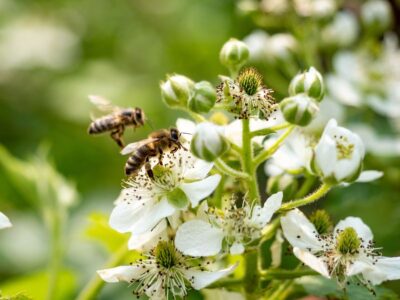
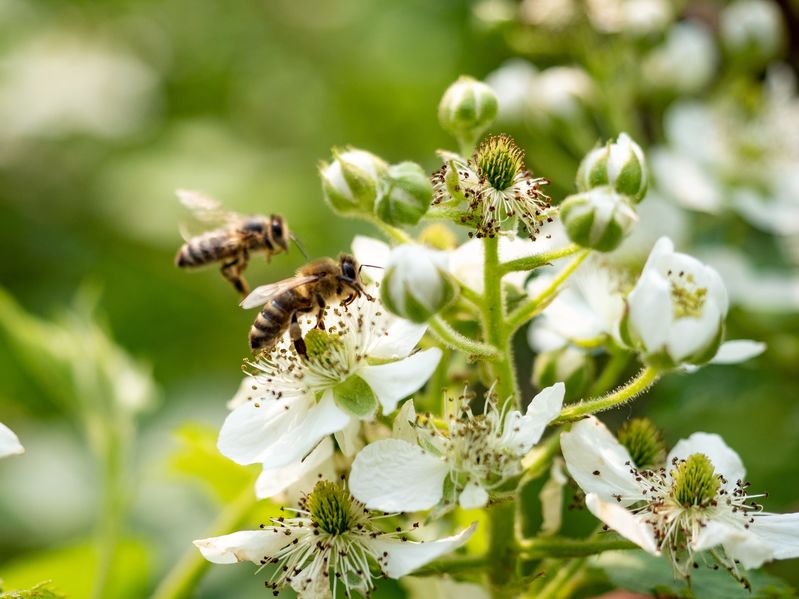
Pollinators are essential to healthy landscapes. Bees, butterflies, hummingbirds, and other pollinating species help plants reproduce, support wildlife populations, and contribute to thriving ecosystems. Unfortunately, habitat loss has made it more difficult for many pollinators to find the food and shelter they need. For owners of large properties, creating pollinator corridors is an excellent way to support these important species while improving the overall health of the land.
What Is a Pollinator Corridor?
A pollinator corridor is a series of connected planting areas that provide pollinators with consistent access to nectar, pollen, shelter, and nesting sites. Instead of isolated pockets of vegetation, these corridors create pathways that allow pollinators to move freely across the landscape.
Large properties are especially well suited for pollinator corridors because they offer plenty of space to connect different habitats. Areas along fence rows, field edges, wooded sections, streams, and access roads can all become valuable parts of a larger network.
Why Native Trees and Shrubs Matter
Native flowering trees and shrubs are among the best choices for pollinator corridors because they have developed alongside local pollinator species over thousands of years. As a result, they provide reliable food sources and habitat that pollinators naturally recognize and use.
Species such as serviceberry, elderberry, redbud, and dogwood offer seasonal blooms that attract a wide variety of pollinators. Basswood and black cherry trees are also known for producing flowers that are highly attractive to bees and other beneficial insects.
Planting a variety of species helps ensure that flowers are available throughout the growing season. Early spring blooms support pollinators emerging from winter, while summer and fall flowering plants provide food later in the year.
Building a Corridor That Works
The goal is to create a connected landscape rather than a single planting area. Small clusters of native trees and shrubs placed strategically across the property can act as stepping stones for pollinators as they travel.
Diversity is also important. Combining trees, shrubs, and native flowering plants creates multiple layers of habitat. This variety provides food, protection from predators, and places for pollinators to rest and reproduce.
Benefits Beyond Pollinators
While pollinator corridors are designed to support bees and butterflies, they also benefit many other forms of wildlife. Birds, small mammals, and beneficial insects often use the same habitats. In addition, native plantings can improve soil health, reduce erosion, and enhance the natural beauty of the property.
At Cold Stream Farm, we offer a wide selection of native bare root trees and shrubs that can help landowners establish effective pollinator corridors. With thoughtful planning and the right plant choices, your property can become a valuable resource for pollinators and wildlife for years to come. Contact Cold Stream Farm at (231) 464-5809 today or visit us online for more information!