
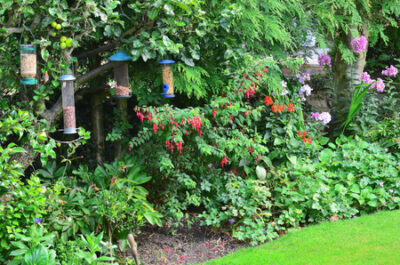
When people set out to attract wildlife, they often think about food first. Berry-producing shrubs, seed sources, and flowering plants all play a role. However, shelter is just as important. Small animals need a place where they feel safe from constant threats. Without reliable cover, even the best food sources will not keep wildlife around for long.
The Risks of Open Spaces
Open landscapes leave small animals exposed. Rabbits, quail, and songbirds are especially vulnerable when there is little vegetation to hide in. Predators like hawks, foxes, and coyotes rely on clear sightlines and quick movement. In areas without dense plant growth, these predators have the advantage. Wildlife may pass through, but they rarely stay where they feel unprotected.
How Dense Shrubs Create Protection
Planting shrubs close together creates a natural shield. As they grow, branches and foliage begin to overlap, forming thick cover. This makes it harder for predators to see into the space and even harder to reach anything hiding inside. For small animals, this type of dense growth provides instant refuge and a sense of security.
Slowing Down Predators
Dense shrubbery does more than block visibility. It also interferes with movement. Predators that depend on speed have a harder time chasing prey through tightly packed branches. Added resistance gives small animals valuable time to escape. Over time, wildlife learns to rely on these areas as safe zones.
The Importance of Layered Planting
A well-designed habitat includes more than one level of cover. Low-growing shrubs provide quick hiding spots near the ground. Taller shrubs add protection from above and create nesting opportunities. This layered structure supports a wider range of species and closely resembles the environments wildlife naturally prefers.
Why Spacing Makes a Difference
In traditional landscaping, shrubs are often spaced apart to highlight each plant. For wildlife, closer spacing is more effective. Shrubs that grow together create continuous coverage instead of isolated pockets. Native species are a strong choice because they are adapted to local conditions and tend to grow in dense, natural patterns.
Long-Term Benefits for Wildlife
As shrubs mature, their protective qualities improve. Branches become thicker, and foliage fills in, making the cover even more effective. What starts as a simple planting project can turn into a long-lasting habitat that supports wildlife year after year.
Creating a Safer Habitat
Focusing on shrub density is one of the simplest ways to make a property more wildlife friendly. By prioritizing thick, layered plantings, you create an environment where small animals can feed, nest, and move with greater confidence. A well-planned landscape does more than look natural. It provides the safety wildlife needs to truly thrive. Contact Cold Stream Farm at (231) 464-5809 today or visit us online for more information!