
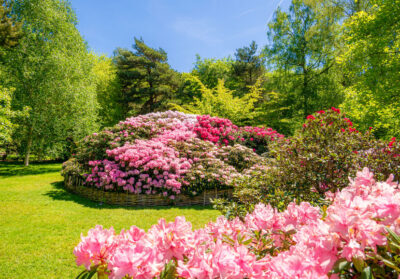
A thoughtfully designed landscape should offer beauty and purpose every month of the year. While many landscapes look their best for only a few weeks in spring or summer, one built with native trees and shrubs can provide changing colors, seasonal interest, and valuable wildlife habitat from January through December. Whether you are planting around your home, improving a large rural property, or restoring natural areas, choosing a variety of native species helps create a landscape that continues to grow more beautiful over time.
At Cold Stream Farm, bare root trees and shrubs provide an affordable way to establish healthy, long-lasting landscapes that look great in every season.
Plan with the Future in Mind
The best landscapes begin with careful planning. Before selecting trees and shrubs, take time to evaluate your property’s soil, drainage, sunlight, and available space. Native species that are well suited to your site will establish more successfully and require less maintenance as they mature.
It is also important to think about how the landscape will look years from now rather than just after planting. Consider the mature height and width of each tree, how much shade it will provide, and how different species will complement one another as they grow.
Combining tall shade trees, smaller ornamental trees, evergreen species, and native shrubs create layers that add depth, visual appeal, and habitat for wildlife.
Welcome Spring with Color and New Growth
Spring marks the beginning of another growing season, and native trees and shrubs put on an impressive display. Flowering species brighten the landscape with blossoms while fresh green leaves quickly fill the branches.
Native flowering trees such as serviceberry, eastern redbud, and flowering dogwood add early-season color while also providing nectar and pollen for beneficial insects. Many native shrubs bloom during this time as well, adding texture and variety throughout the landscape.
This seasonal burst of growth creates an inviting outdoor environment after the quiet months of winter.
Enjoy Shade and Lush Greenery in Summer
As summer arrives, trees become one of the landscape’s most valuable features. Large deciduous trees provide cooling shade for homes, patios, driveways, and outdoor gathering spaces. Their canopies can also help reduce heat around the property while making outdoor areas more comfortable.
Summer is also when foliage takes center stage. Mixing trees with different leaf shapes, colors, and textures creates a landscape that feels rich and full without relying solely on flowers.
Native shrubs continue adding interest by producing blooms, dense foliage, and shelter for birds and other wildlife throughout the warmer months.
Celebrate the Colors of Fall
Autumn is often the highlight of a native landscape. As temperatures cool, many trees produce brilliant shades of red, orange, yellow, and gold that transform the property.
Fall also brings another important feature: food for wildlife. Many native shrubs produce berries that feed birds well into the colder months. Oaks and other native trees provide acorns and seeds that support squirrels, deer, wild turkeys, and many smaller animals preparing for winter.
The combination of vibrant foliage and abundant food sources makes autumn one of the most rewarding seasons in a thoughtfully planned landscape.
Find Beauty Even During Winter
A landscape does not lose its appeal after the leaves have fallen. Winter highlights the natural structure of trees and shrubs in ways that often go unnoticed during the growing season.
Evergreen trees provide welcome color while offering shelter for birds during harsh weather. Deciduous trees display attractive branching patterns that add character to the landscape, especially after snowfall.
Some native shrubs continue to stand out with colorful berries or interesting bark, helping maintain visual interest until spring returns.
Native Plants Support Wildlife All Year
One of the greatest benefits of native trees and shrubs is their ability to support local wildlife throughout every season. Flowers attract insects in spring, leafy canopies provide nesting sites during summer, fruits and nuts become valuable food in fall, and evergreens offer protection during winter.
Planting a diverse selection of native species creates a landscape that supports birds, mammals, and beneficial insects while strengthening the local ecosystem.
Even smaller residential properties can make a positive impact by including a variety of native trees and shrubs instead of relying on a single species.
Bare Root Trees Make Large Projects Easier
Whether you are planting a few trees or hundreds, bare root stock offers several advantages. Bare root trees are lightweight, easy to transport, and cost effective, making them an excellent choice for homeowners, conservation organizations, and property managers alike.
Because they are planted during dormancy, bare root trees can establish strong root systems before putting energy into new growth. With proper planting and care, they develop into healthy, long-lasting additions to the landscape.
Create a Landscape That Changes with Every Season
A four-season landscape is never static. It continues to evolve throughout the year, offering fresh colors, changing textures, and new wildlife activity with each passing season. By choosing a diverse collection of native trees and shrubs, you can enjoy an outdoor space that remains attractive while providing lasting environmental benefits.
Cold Stream Farm offers a wide selection of quality bare root trees and shrubs for landscaping, conservation, and habitat restoration projects of every size. With thoughtful planning and the right mix of native species, you can create a landscape that delivers beauty, function, and ecological value during every season of the year. Contact Cold Stream Farm at (231) 464-5809 today or visit us online for more information!