
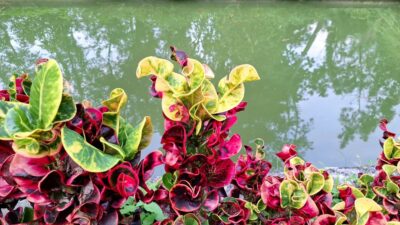
A pond naturally draws wildlife, but the plants growing around it can determine just how valuable that pond becomes as a habitat. A shoreline surrounded only by closely mowed grass offers far fewer resources than one filled with trees, shrubs, and other vegetation. With thoughtful planting, pond owners can create an environment where birds find nesting sites, frogs have places to hide, insects find food, and mammals can safely approach the water.
Trees and shrubs also provide practical benefits for the property itself. Their roots can help stabilize soil, reduce erosion, and create a more natural transition between the water and surrounding landscape. For property owners interested in supporting wildlife, improving a pond often starts with looking at what is growing around its edges.
Give Wildlife More Than a Water Source
Animals certainly visit ponds for water, but their needs do not end there. Wildlife also requires food, shelter, nesting areas, and safe routes for moving from one part of a property to another.
Planting a combination of trees and shrubs around a pond can address several of these needs at once. Some plants provide berries, seeds, nuts, or browse. Others develop thick branches that make useful hiding and nesting areas. Native trees and shrubs can also host insects, which become an important food source for many other animals.
Instead of planting one species around the entire pond, consider creating a mixture. Different heights, growth habits, and seasonal characteristics can make the shoreline useful to a greater variety of wildlife.
Make the Pond More Inviting to Birds
Trees and shrubs can dramatically change the way birds use a pond. Taller trees provide places to perch, rest, and watch for food. Shrubs create lower cover that can be especially important for smaller songbirds trying to stay hidden from predators.
Food-producing plants add another benefit. Depending on the species selected, trees and shrubs may provide fruits, seeds, nuts, buds, or insects at different points during the year.
It is not necessary to surround the pond with dense vegetation. Leaving some areas open while planting others heavily can create more habitat variety. Open spaces may be useful for certain birds while also maintaining convenient access to the pond.
Remember Wildlife Living Close to the Ground
Frogs, toads, salamanders, and other amphibians often depend on ponds for breeding, but they may spend plenty of time on land. The conditions surrounding the water can make a significant difference in whether these animals find suitable habitat.
Shade from shrubs and trees helps keep portions of the ground cooler and more humid. Fallen leaves, branches, woody debris, and low vegetation can provide protected places for amphibians to rest and hide.
A natural planting area can be particularly useful when it extends from the pond toward nearby woods or another established habitat. This gives amphibians a covered route instead of requiring them to travel across an exposed lawn.
Create a Place for Insects to Thrive
Insects are sometimes overlooked when planning wildlife habitat, but they play a major role in a healthy pond environment. Dragonflies and damselflies are closely connected to aquatic habitats, while butterflies, moths, bees, and other insects may visit flowering vegetation near the shoreline.
Plant diversity can help support a larger insect population throughout the growing season. Trees and shrubs that flower at different times provide changing food sources for pollinators. Native plants may also act as host plants for certain insects during different stages of their life cycles.
Those insects then become food for birds, frogs, bats, and other animals. Supporting insects is one way to strengthen the entire food web around the pond.
Provide Cover for Mammals
A pond may regularly attract deer, rabbits, squirrels, raccoons, and smaller mammals, particularly when it is located near woods or fields. Animals often feel more comfortable approaching water when vegetation provides some protection.
Shrubs can create dense cover close to the ground, while trees add overhead structure and additional food opportunities. Species that produce nuts, fruits, seeds, or edible vegetation can make the area even more useful.
Property owners with larger acreage can also use pond plantings to connect separate habitat areas. A band of trees and shrubs extending from the pond to a woodlot, hedgerow, or field edge can provide a natural route for wildlife moving through the property.
Protect the Shoreline from Erosion
Trees and shrubs are valuable for reasons beyond wildlife. Water movement, heavy rainfall, and runoff can gradually wear away exposed soil around a pond. Sloped shorelines can be especially vulnerable.
Plant roots help secure soil and reduce the amount that washes away. Vegetation can also slow water traveling across the property before it enters the pond. This may help reduce the amount of loose soil and sediment reaching the water.
Plant selection matters in these locations. The conditions right next to the pond may be very different from those only several feet farther uphill. Soil moisture, drainage, sunlight, and seasonal changes in water levels should all be considered when choosing what to plant.
Create Layers Around the Water
One effective way to approach pond landscaping is to think in layers rather than treating the shoreline as a single planting area.
Plants suited to wetter conditions can occupy appropriate locations near the water. Farther back, shrubs can create a middle layer, followed by larger trees where conditions allow. This gradual transition provides different types of shelter and feeding opportunities.
A layered shoreline can also look attractive without appearing overly formal. Leaving sections of natural vegetation, using groups of shrubs, and varying tree placement can help the pond blend into the surrounding property.
Access should remain part of the plan. Paths, fishing spots, viewing areas, and locations needed for pond maintenance can remain open while other sections are dedicated to wildlife.
Choose Trees and Shrubs for Your Pond Habitat
Improving wildlife habitat around a pond does not happen overnight. Trees and shrubs need time to establish and mature, but their value can increase year after year. As plantings grow, they can provide more shade, stronger cover, additional food sources, and better protection for the shoreline.
Cold Stream Farm supplies bare root trees and shrubs for wildlife habitat, conservation, landscaping, reforestation, and other planting projects. Our selection gives homeowners, landowners, landscapers, and organizations options for both large and small projects.
Whether you are adding a few shrubs around an existing pond or developing habitat across a larger property, choosing plants that fit the site is an important place to start. With the right combination of trees and shrubs, an ordinary pond can become a much richer habitat for birds, amphibians, insects, mammals, and other wildlife. Contact Cold Stream Farm at (231) 464-5809 today or visit us online for more information!