
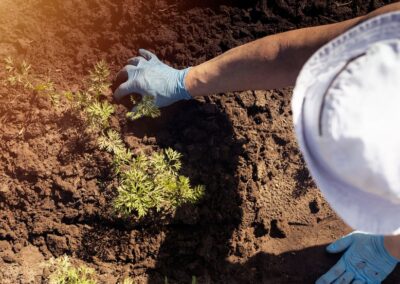
When people think about improving soil, they often picture fertilizers, compost, or other added materials. While those can help, one of the most effective and natural ways to build healthy soil is by planting trees and shrubs. Over time, these plants do much more than grow above ground. They actively improve what is happening below the surface, creating stronger, more productive soil that supports long-term success.
The Role of Roots in Soil Structure
One of the biggest benefits trees and shrubs provide is their root systems. As roots grow, they push through compacted soil and create small channels that allow air and water to move more freely. This is especially helpful in areas where soil has become dense from foot traffic, equipment, or natural settling.
These pathways improve drainage and help water soak deeper into the ground instead of running off the surface. When roots eventually die off and decompose, they leave behind organic material that continues to benefit the soil. Over time, this process helps transform tight, compacted ground into soil that is easier to work with and better suited for plant growth.
Building Organic Matter Over Time
Trees and shrubs constantly contribute organic material to the soil. Leaves, bark, and small branches fall throughout the seasons and begin to break down. This natural layer acts much like mulch, protecting the soil while slowly feeding it nutrients.
As this material decomposes, it improves soil texture and boosts its ability to hold moisture. Sandy soils become better at retaining water, while heavier soils begin to drain more efficiently. This gradual improvement is one of the reasons natural landscapes often thrive without the need for frequent soil amendments.
For larger properties, planting a variety of trees and shrubs can create a system where the land continues to enrich itself year after year.
Encouraging Healthy Soil Life
Good soil is alive with activity. Microorganisms, fungi, and insects all play a role in breaking down organic matter and making nutrients available to plants. Trees and shrubs help support this activity by providing a steady source of organic material and maintaining a stable environment.
Many plants also form beneficial relationships with fungi in the soil. These fungi extend the reach of plant roots, allowing them to gather more water and nutrients than they could on their own. In return, the plants supply energy to the fungi. This partnership strengthens both the plants and the soil.
Shrubs are especially useful for maintaining consistent ground cover, which helps regulate soil temperature and reduces moisture loss. This creates a more balanced environment where beneficial organisms can continue to thrive.
Protecting Soil from Erosion
Without proper coverage, soil is vulnerable to erosion from wind and water. This is a common issue on open land, slopes, or areas that have been recently cleared. Once topsoil is lost, it can be difficult and costly to replace.
Trees and shrubs help prevent this problem by anchoring the soil with their roots. Their canopies also reduce the force of rainfall, which keeps soil from being washed away. In windy areas, rows of trees or dense shrub plantings can act as windbreaks, protecting the ground and reducing soil loss.
Over time, these plantings create a more stable landscape that holds onto its nutrients instead of losing them to the elements.
Supporting Natural Nutrient Cycles
Healthy soil depends on a steady cycle of nutrients. Trees and shrubs play a key role in this process by returning nutrients to the soil as their organic matter breaks down. Instead of relying on outside inputs, the soil begins to sustain itself.
Some plant species offer additional benefits by helping increase nitrogen levels in the soil. This can be especially helpful in areas where soil fertility is low or has been depleted over time.
Planting a mix of species is one of the best ways to support balanced nutrient levels. Different trees and shrubs contribute in different ways, creating a more complete and resilient system.
Choosing the Right Plants for Your Property
Not all trees and shrubs provide the same benefits, so it is important to choose species that match your soil conditions and goals. Native plants are often the best option because they are adapted to the local environment and typically require less maintenance.
You can also think about how different plants function together. Deep-rooted trees can help break up compacted soil, while shrubs can provide coverage and prevent erosion. Combining both creates a layered system that improves soil from multiple angles.
If you are planting bare root stock, proper handling and timing are important. Keeping roots moist and planting during the appropriate season will help your trees and shrubs establish quickly and begin contributing to soil health sooner.
A Practical Approach to Long-Term Soil Improvement
Improving soil naturally takes time, but the results are well worth the effort. Trees and shrubs continue to work year after year, building organic matter, supporting soil life, and improving overall structure without constant input.
For landowners, this approach offers a practical and cost-effective way to enhance property value while supporting a healthier environment. Strong soil leads to better plant growth, improved water retention, and a more balanced ecosystem.
By planting the right mix of trees and shrubs and allowing them to do their job, you can create a landscape that steadily improves itself and supports your goals for years to come. Contact Cold Stream Farm at (231) 464-5809 today or visit us online for more information!