
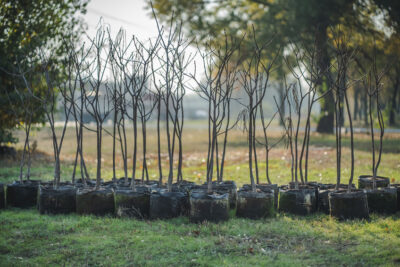
Restoring natural landscapes often involves planting a large number of trees and shrubs across parks, nature preserves, farmland, or other open spaces. For municipalities, nonprofit organizations, conservation groups, and private landowners, finding an affordable and efficient way to complete these projects is essential. That is why bare root trees have become a popular choice for large-scale restoration efforts. They offer excellent value while making it easier to plant more trees in less time.
Stretch Conservation Budgets Further
Many conservation projects operate with limited funding or rely on grants and donations. Bare root trees are generally less expensive than container-grown or balled-and-burlapped trees, making it possible to purchase a greater number of plants without increasing the budget.
This cost savings allows organizations to restore larger areas, improve wildlife habitat, or expand reforestation efforts while making the most of available resources.
Simplify Transportation and Storage
Moving hundreds or thousands of trees can be a challenge, especially when restoration sites are located far from roads or in remote areas. Bare root trees are much lighter because they are shipped without heavy soil or containers attached to their roots.
Their compact size makes loading, transporting, and unloading much easier. Planting crews can carry more trees at once, reducing the number of trips required and helping projects stay on schedule.
Increase Planting Efficiency
Conservation work is often completed during the dormant planting season, which provides a limited window for getting trees into the ground. Bare root stock helps crews work more efficiently because the trees are easier to handle and quicker to plant.
Whether the work is being completed by experienced professionals or community volunteers, the planting process is often faster than working with larger container-grown trees. This allows more ground to be covered in a shorter amount of time.
Support Healthy Ecosystems
Bare root trees are commonly used for projects such as reforestation, streambank stabilization, windbreaks, and wildlife habitat restoration. When paired with native shrubs and other appropriate plant species, they help create diverse environments that support birds, pollinators, deer, and countless other forms of wildlife.
As the trees mature, they also improve soil health, reduce erosion, and contribute to cleaner air and water. These long-term environmental benefits continue to grow year after year.
A Practical Solution for Large Restoration Efforts
Successful conservation projects require careful planning and dependable planting materials. Bare root trees provide an affordable, practical option for restoring large landscapes without sacrificing quality. Their lower cost, simple transportation, and efficient planting process make them an excellent choice for organizations and landowners working to improve natural areas.
With the right species and proper care, bare root trees can help turn open land into healthy forests and thriving habitats that benefit both wildlife and future generations. Contact Cold Stream Farm at (508) 872-2727 today or visit us online for more information!