When you’re planning a landscaping, habitat restoration, or reforestation project, one of the most important choices you’ll make is whether to plant bare root or container-grown trees and shrubs. Both options can thrive under the right conditions, but they offer different benefits depending on your project size, timing, and budget. At Cold Stream Farm, we help customers every day decide which type of plant material is the best fit for their goals.
Understanding the Difference
The main difference between bare root and container-grown plants comes down to how they’re prepared and delivered. Bare root plants are dug from the ground while dormant and shipped without soil, with their roots carefully packed to stay moist. Container-grown plants are shipped in soil, typically within a pot, so the root system remains intact. This difference affects everything from shipping cost to planting flexibility.
Bare Root Plants: Economical and Efficient
Bare root stock has long been the choice for larger projects where cost, quantity, and shipping efficiency are priorities. Since there’s no soil attached, bare root plants are lighter and take up much less space during transport. This can make a huge difference when ordering in bulk or shipping long distances.
Once planted, bare root plants often develop strong, natural root systems because they grow directly into native soil instead of being confined by the shape of a container. Over time, they tend to catch up to container-grown plants in height and health, sometimes even surpassing them after a few growing seasons.
The key challenge is timing. Bare root plants can only be planted during their dormant period, usually in early spring or late fall, when the ground is workable but before leaves have emerged. If roots dry out before planting, their survival rate drops, so proper handling is essential.
Best Practices for Planting Bare Root Stock
Success with bare root plants depends on careful preparation and prompt planting. After receiving your order, try to plant as soon as possible. If there’s a short delay, keep the roots cool, shaded, and wrapped in moist material to prevent drying out.
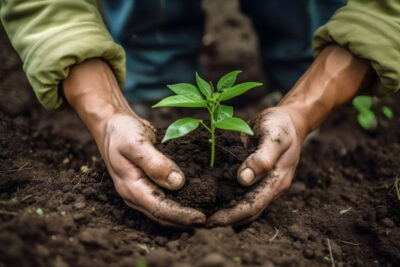
Prepare your soil by loosening it and clearing away rocks or weeds. Dig a hole wide enough for the roots to spread naturally and make sure the root collar sits at ground level. Once planted, fill the hole with soil, gently tamp it down, and water thoroughly to remove air pockets. These steps help the roots make solid contact with the soil, improving early establishment.
Container-Grown Plants: Convenient and Flexible
Container-grown trees and shrubs offer greater flexibility for planting schedules. Because they’re shipped with soil around their roots, they can be planted throughout most of the year if the ground isn’t frozen. This makes them especially popular for smaller projects or decorative landscaping where timing and appearance matter.
Container-grown plants typically experience less transplant shock since their roots stay intact, and they often look more mature at planting. However, they do cost more due to the added weight and care involved in shipping. It’s also important to inspect the roots before planting, as some container plants may develop circling or bound roots that need to be loosened or trimmed to encourage healthy growth.
Which Option Is Right for You?
If your goal is to plant in bulk, restore habitat, or establish many trees at once, bare root stock is likely your best option. It’s cost-effective, environmentally friendly, and offers strong long-term growth when planted correctly.
If you’re working on a smaller landscape design, replacing a few trees, or planting in a season when bare root options aren’t available, container-grown plants may be the better fit. They offer more flexibility and immediate impact with less concern about timing.
No matter which route you choose, both bare root and container-grown plants can thrive with the right care. At Cold Stream Farm, we’re happy to help you select the best planting stock for your property or restoration project. Contact our team at (231) 464-5809 to discuss your goals, and we’ll make sure you get the trees and shrubs that suit your needs best.