
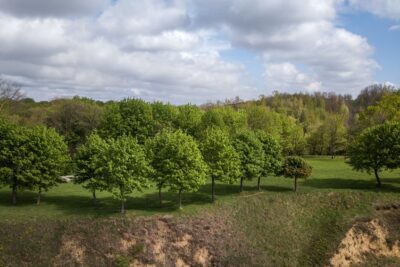
Midwest landowners are becoming more aware of how unpredictable seasonal conditions can influence planting success. From sudden heavy rain to extended dry periods and fluctuating winter temperatures, the region’s weather patterns continue to shift. When planning a landscape improvement or wildlife habitat project, selecting tree species that can adjust to these changes is one of the best ways to protect your long-term investment.
Cold Stream Farm can provide you with wholesale trees and shrubs for specific planting projects.
Recognizing Weather Challenges in the Midwest
The Midwest has always experienced strong seasonal contrasts, but recent trends have made those swings feel more dramatic. Spring can bring saturated soil and delayed planting windows, while late summer may introduce heat stress and drought conditions. In winter, freeze and thaw cycles can impact root systems and soil stability. These environmental factors make it important to focus on tree varieties that have proven performance in local conditions.
Trees that naturally grow throughout the Midwest tend to be better prepared for these fluctuations. Native and regionally adapted species have evolved to handle local soil types, insects, and climate extremes. As a result, they often establish more successfully and require less long-term maintenance.
Selecting Trees That Handle Moisture Extremes
Soil moisture levels can vary widely across the region, even within the same property. Low lying areas may hold water after heavy rain, while elevated or sandy locations may dry out quickly. Choosing species known for flexibility in moisture tolerance helps reduce the risk of loss. Trees such as bur oak, river birch, and certain hardy maples are commonly selected because they can manage both wet and dry conditions once established.
For larger planting projects, combining multiple species is a smart strategy. Diversity creates a stronger landscape that can better withstand unpredictable growing seasons. If one species struggles in a particular year, others may continue to perform well and support habitat or conservation goals.
Considering Wind and Storm Durability
High winds and severe weather events are another reality for Midwest properties. Trees with strong branching structures and dependable root systems are more likely to survive storms and provide lasting benefits. Evergreens such as white spruce and red pine are often used for windbreaks, while sturdy hardwoods can add long term structure to shelterbelts and privacy plantings.
Strategic placement of wind resistant trees can also improve comfort around homes, reduce soil erosion, and create better conditions for wildlife cover. Over time, these plantings contribute to both environmental health and property value.
Building Resilient Landscapes for the Future
A successful planting plan looks beyond current weather patterns and considers how conditions may continue to evolve. Blending deciduous trees, evergreen varieties, and native shrubs help create layered habitats that remain functional year after year. This balanced approach supports biodiversity and reduces dependence on any single species.
By focusing on adaptable tree selections and thoughtful planning, Midwest landowners can establish landscapes that remain productive and attractive for decades. Careful species selection today can make all the difference in how well your planting project performs as regional weather patterns continue to change. Contact Cold Stream Farm at (231) 464-5809 today or visit us online for more information!