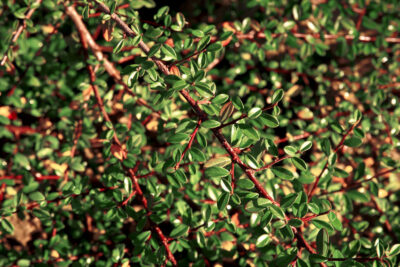
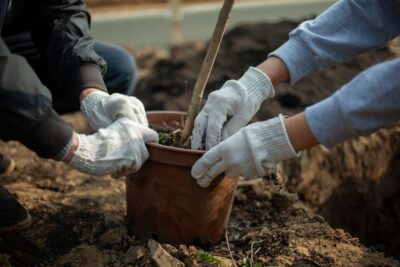
Why Bare Root Trees Often Outperform Container-Grown Stock in the Long Run

Choosing the right type of tree stock can make a noticeable difference in how your landscape or wildlife habitat develops over time. While container-grown trees are a common choice, bare root trees often prove to be the better option when you look at long-term growth, health, and overall performance. Natural Root Systems Lead to Better… Read more »
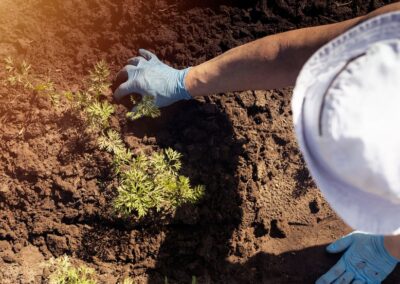
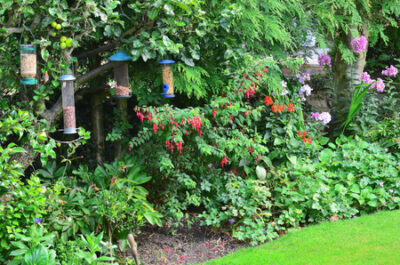
Using Trees and Shrubs to Improve Soil Health Naturally

When people think about improving soil, they often picture fertilizers, compost, or other added materials. While those can help, one of the most effective and natural ways to build healthy soil is by planting trees and shrubs. Over time, these plants do much more than grow above ground. They actively improve what is happening below… Read more »

The Role of Shrub Density in Protecting Small Wildlife from Predators

When people set out to attract wildlife, they often think about food first. Berry-producing shrubs, seed sources, and flowering plants all play a role. However, shelter is just as important. Small animals need a place where they feel safe from constant threats. Without reliable cover, even the best food sources will not keep wildlife around… Read more »

Transforming Marginal Farmland into Thriving Wildlife Habitat with Strategic Plantings

Many rural properties include sections of land that never seem to perform well for traditional farming. These areas may struggle with poor soil, excess moisture, uneven terrain, or ongoing erosion. While they can be frustrating for crop production, marginal fields offer valuable opportunities for conservation and habitat restoration. With thoughtful planning and the right selection… Read more »

Balancing Open Space and Tree Cover for Healthier Wildlife Populations

Establishing a productive wildlife habitat involves more than planting rows of trees across a property. While wooded areas provide critical protection and food sources, open ground is equally important for supporting diverse and stable wildlife populations. Landowners who thoughtfully combine tree cover with natural clearings often see better wildlife movement, stronger plant growth, and a… Read more »

Choosing Tree Species That Adapt Well to Changing Midwest Weather Patterns

Midwest landowners are becoming more aware of how unpredictable seasonal conditions can influence planting success. From sudden heavy rain to extended dry periods and fluctuating winter temperatures, the regionโ€™s weather patterns continue to shift. When planning a landscape improvement or wildlife habitat project, selecting tree species that can adjust to these changes is one of… Read more »

How Trees Improve Groundwater Recharge and Soil Health

When people think about the benefits of planting trees, they often picture shade, privacy, or wildlife habitat. What many do not see is the powerful work happening underground. Trees play a major role in improving soil structure and helping water move back into the ground where it belongs. For landowners, farmers, and conservationists, this natural… Read more »

Farmstead Landscaping with Functional Tree Rows

A farmstead is more than a home surrounded by open land. It is a working environment where every feature should contribute to comfort, efficiency, and long-term sustainability. Landscaping on rural properties has traditionally served practical purposes, and today many landowners are returning to that mindset by planting functional tree rows. Instead of treating trees as… Read more »

Designing a Year-Round Food Plot with Trees and Shrubs

A food plot that only produces for one season can feel like a short-lived solution. Wildlife arrives, feeds, and moves on once the buffet is gone. A year-round food plot works differently. It creates a steady supply of nutrition and shelter, so animals feel comfortable staying on your land through every season. The secret to… Read more »

How to Prepare Your Site Before Your Bare Root Shipment Arrives

Ordering bare root trees and shrubs is an exciting step toward building a healthier landscape or wildlife habitat. The plants may still be dormant when they arrive, but they are full of potential. The success of that potential depends heavily on what happens before the box ever reaches your door. Bare root plants need to… Read more »

Why Thickets Matter: The Wildlife Value of Dense Shrub Groupings

Wildlife habitat is often imagined as tall trees and wide-open forests. While trees are important, many animals depend just as much on what happens closer to the ground. Dense shrub thickets create some of the most valuable habitat on a property, even though they are easy to overlook. These tightly planted groupings form shelter, feeding… Read more »