
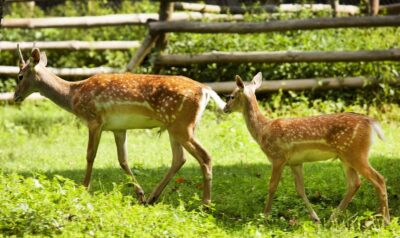
If you have ever planted trees or shrubs only to see them chewed down by deer, you know how frustrating it can be. While fencing may be an obvious solution, it is not always practical, especially on large properties or open landscapes. Fortunately, there are effective ways to reduce damage without relying on tall barriers. With careful plant choices, smart design, and a few natural deterrents, you can create a thriving landscape that works with wildlife instead of against it.
Picking Plants That Deer Avoid
Some plants naturally discourage browsing because of their texture, taste, or scent. Deer tend to stay away from many conifers like spruce and fir, as well as shrubs such as elderberry, viburnum, and serviceberry. Choosing species that are less appealing does not eliminate browsing completely, but it lowers the pressure on your landscape and helps young trees get established. Mixing in these selections creates variety while giving your most vulnerable plants a better chance to survive.
Designing a Landscape with Protection in Mind
How you arrange your trees and shrubs can make a big difference. Placing fewer desirable plants around the edges of your property can form a natural barrier, while clustering trees together instead of spreading them in single lines can make it harder for deer to move through and feed. Another strategy is to keep more sensitive species closer to your home or in areas where you can easily monitor them. This type of thoughtful layout adds structure and protection to your planting project.
Natural Ways to Discourage Browsing
There are also practical steps you can take that do not involve fencing. Repellent sprays made with ingredients like garlic, hot pepper, or predator scent can make plants less attractive. Aromatic shrubs such as juniper can be planted alongside more vulnerable species to mask their scent. In winter, when food is scarce, tree guards around young trunks provide extra protection against deer and rodents.
Using Plant Combinations for Added Defense
Certain shrubs can serve as living shields for more sensitive trees. Thorny plants like hawthorn or wild plum create a barrier that discourages browsing. Fast growing shrubs such as dogwood or elderberry can also act as nurse plants, giving slower growing hardwoods the time they need to establish themselves. By planning with these combinations, your trees and shrubs support each other in the early years of growth.
Supporting Wildlife While Protecting Your Landscape
The goal is not to remove deer and wildlife entirely but to strike a balance. You want to encourage biodiversity and create habitat while also protecting your investment. By choosing plants with natural resistance, designing with protection in mind, and using simple deterrents, you can build a landscape that thrives in harmony with wildlife rather than being overrun by it.
Contact Cold Stream Farm at (231) 464-5809 today to learn more about our wholesale trees and shrubs that can benefit you!