
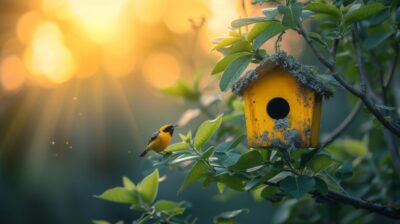
If you want your yard to be a place where birds always feel welcome, the best thing you can do is design a landscape that works for them all year long. Feeders are fun and helpful, but they only scratch the surface of what birds need to survive. A true four-season habitat offers natural food sources, safe shelter, dependable nesting sites, and protection when weather turns harsh. Native shrubs and berry producing plants are the backbone of that kind of environment. They offer food at just the right moments, they host insects that birds rely on, and they create the layered structure birds love to hide in.
Cold Stream Farm carries many of the shrubs and small trees that make this possible. With thoughtful planning and a mix of species that ripen at different times of year, you can turn your property into an essential stopover for migrating birds and a reliable home for year-round residents.
Start With a Landscape That Works for Birds
A four-season habitat begins with layout. Birds are most drawn to properties that feel natural, varied, and dense enough to offer cover. Instead of planting single shrubs spaced far apart, cluster them together. Think in terms of layers. A complete habitat includes taller trees, mid-level shrubs, and lower ground level plants. This structure mimics the forest edges where birds feel most at home.
Take a moment to study your yard before planting anything new. Identify sunny areas, shaded spots, natural wind breaks, and places where shrubs can grow without being disturbed. Even if your property is small, a well-arranged mix of native shrubs can transform it into a safe and productive bird haven.
Spring: Provide Food and a Place to Raise Young
Spring is a busy and demanding period for birds. Migrants return from long journeys, and resident birds need energy to begin their nesting cycle. This is when early blooming shrubs matter most. Native species like serviceberry, chokecherry, and red osier dogwood produce nectar and attract the insects that birds depend on to feed their young.
Dense shrubs also become prime nesting spots. Species such as ninebark, viburnum, and hazelnut are perfect for this role because they offer the protection birds need to build their nests out of sight. A carefully chosen spring planting supports the first waves of activity and helps create a stable environment for new families.
Summer: Offer Berries, Shade, and Safety
Summer brings warmth, longer days, and plenty of feeding activity. Many birds are raising fledglings, and those young birds need steady nutrition. Shrubs that fruit in early or mid-summer are essential. Serviceberry, black elderberry, and American plum produce berries that are full of nutrients and irresistible to a wide range of bird species.
Shelter is just as important as food in summer. Tall shrubs and small trees create cool resting spots where birds can escape heat and predators. If your yard has a lot of open lawn, adding shrub groupings can create corridors that birds use throughout the day. These natural pathways help birds move safely between feeding areas, water sources, and nesting sites.
A wide mixture of shrubs builds richness in your habitat. Arrowwood viburnum, red currant, and red mulberry, for example, offer both fruit and shelter during the height of the season. When planted together, they support a thriving community of birds that stays active and visible.
Fall: Use Berries to Fuel Long Migrations
Fall is one of the most important feeding periods of the entire year. Birds preparing to migrate need calorie dense foods to build up their reserves. Even birds that stay year-round need extra energy as temperatures begin to drop. This is where berry producing shrubs truly shine.
Species like chokeberry, winterberry, and blackhaw viburnum deliver exactly what birds need. Their berries ripen at the perfect time and hold high nutritional value. Many of these fruits stay on the branches well into cold weather, giving birds a dependable food source when insects become scarce.
Fall shrubs also add structure and protection as leaves drop from taller trees. Migrating birds often stop to rest in dense shrubs where they feel hidden from predators. By planting several fall bearing species together, you create a reliable seasonal food supply that supports both travelers and residents.
Winter: Ensure Survival with Shelter and Persistent Fruit
Winter is often the hardest time for birds, especially in regions that experience snow, wind, and long stretches of cold. Food is limited, and natural cover can be scarce. To support birds through winter, choose shrubs that keep their berries long after autumn ends. Winterberry, red osier dogwood, crabapple, and some viburnum varieties hold fruit deep into the season.
Equally important is shelter. Evergreens play a big role here, but shrubs can also provide essential protection from wind and predators. Dense branching shrubs like hazelnut and ninebark create safe roosting spots during cold nights. When placed near evergreens, this combination gives birds a dependable loop of cover, food, and resting areas.
A well-designed winter habitat reduces stress for birds and improves their survival rates. When you plant winter friendly shrubs, your yard becomes a place where birds can endure even the toughest weather.
Build a Habitat That Works in Every Season
The beauty of a four-season bird habitat lies in its balance. Birds need your yard to be active year-round, with always something to eat and somewhere safe to rest. Diversity is the key. Combine early bloomers, summer producers, fall berries, and winter fruit. Layer your plants so that birds have canopy cover above them and dense protection at eye level. Focus on native shrubs because they offer the best match for local bird species and the insects they rely on.
Over time, this mix of thoughtful planting and natural structure will attract a wide range of birds to your property. Your yard can become a trusted stopover for migrants, a nursery for nesting families, and a winter refuge for hardy year-round species. Cold Stream Farm makes it easy to choose the right shrubs for every season, helping you build a habitat that brings life, color, and song to your landscape in every month of the year. Contact Cold Stream Farm at (231) 464-5809 today or visit us online for more information!