
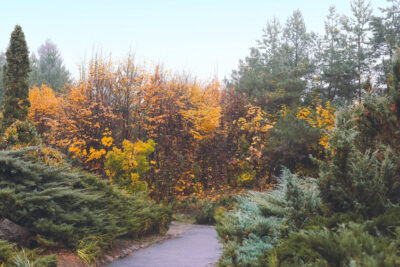
A food plot that only produces for one season can feel like a short-lived solution. Wildlife arrives, feeds, and moves on once the buffet is gone. A year-round food plot works differently. It creates a steady supply of nutrition and shelter, so animals feel comfortable staying on your land through every season. The secret to that kind of habitat is not found in annual crops alone. It comes from building a foundation of trees and shrubs that provide food, cover, and long-term stability.
Landowners across the Midwest are increasingly turning to bare root trees and shrubs to develop food plots that improve with time instead of resetting each year. When thoughtfully planned, these plantings turn open ground into a thriving ecosystem that supports deer, birds, small mammals, and pollinators throughout the year.
Shifting From Short-Term Plots to Long-Term Habitat
Annual food plots have their place. Clover, brassicas, and grains can deliver quick results and attract wildlife during specific windows of the year. The challenge is that these plantings require repeated soil preparation, re-seeding, and maintenance. They also leave seasonal gaps when no food is available.
Trees and shrubs change the equation. Once established, they return every year with little intervention. Berry-producing shrubs feed wildlife in summer and fall. Nut-bearing trees drop high-energy food as temperatures cool. Browse from woody stems remains available in winter. Evergreen cover and dense thickets offer protection when conditions turn harsh. Instead of relying on repeated planting cycles, landowners begin building a system that grows stronger over time.
This long-term approach creates consistency. Wildlife learns that your property offers dependable resources and safe cover, which increases activity and reduces the tendency for animals to wander elsewhere.
Starting With a Strong Layout Plan
Designing a successful year-round food plot begins with thinking about how wildlife moves across the land. Animals prefer edge zones where open feeding areas meet thick cover. They also travel along natural corridors such as fence lines, creek banks, and field borders. Placing trees and shrubs along these routes help guide movement while providing security.
Many landowners begin by outlining the perimeter of a food plot with shrub groupings. These act as shelter belts and natural screens. Inside the plot, clusters of mast-producing trees are arranged with enough spacing to allow future growth. Open areas between plantings remain available for annual food crops during the early years.
This layered structure allows immediate use of the plot while permanent plantings take root. Over time, the trees and shrubs become the dominant food sources and cover, reducing dependence on yearly planting schedules.
Choosing Trees That Deliver Reliable Food
Trees form the upper story of a year-round food plot. Their value lies in the consistent food they provide once mature. Species that produce nuts or seeds offer critical calories in fall and winter when energy demands are highest.
Planting bare root seedlings makes it practical to establish a larger number of trees without overwhelming costs. This allows landowners to think long-term and plant with future habitat in mind rather than limiting designs to a few scattered trees.
Placement is important. Trees need adequate spacing to reach maturity without crowding. They should also be positioned where falling mast will be accessible to wildlife and not lost in thick grass or heavy leaf litter. With thoughtful planning, these trees become the cornerstone of a dependable fall and winter-feeding system.
Using Shrubs to Fill the Nutritional Calendar
Shrubs are often the most immediately productive part of a habitat planting. Many native species begin producing berries within just a few years. These foods are especially valuable during summer when animals are raising young and need nutrient-rich diets.
Shrubs also serve another essential role. They provide hiding places for fawns, nesting birds, and small mammals. Dense growth offers protection from predators and harsh weather. When planted in clusters, shrubs form natural bedding areas and travel cover that make wildlife feel secure on the property.
Bare root shrubs make it easy to create large thickets and border plantings that would be cost-prohibitive with container stock. As these groupings fill in, they become one of the most heavily used features of a year-round food plot.
Keeping Annual Plots in the Mix
Trees and shrubs do not eliminate the value of traditional food plots. Instead, they enhance them. In the early years of establishment, annual plantings can be seeded between young trees and shrubs. This keeps food available while permanent plantings mature.
Over time, the habitat naturally shifts. Shrubs begin fruiting. Trees start dropping mast. Wildlife relies less on planted crops and more on the self-sustaining food sources you have built. This transition reduces yearly labor while still delivering consistent results.
Many landowners appreciate this balance. They enjoy the flexibility of seasonal crops along with the satisfaction of building habitat that improves each season.
Planning for Seasonal Needs
A year-round food plot works because it considers what wildlife needs at different times of the year.
In spring, new leaf growth and early emerging shrubs provide fresh nutrition after winter. This is also when animals are recovering from cold weather and preparing for breeding season.
Summer brings berries, tender browse, and thick cover. This is critical for nesting birds and young animals that need protection and high-protein foods.
Fall is the season of heavy feeding. Nuts, seeds, and remaining berries provide the energy needed for winter survival. Annual food plots also shine during this period, offering additional attraction.
Winter tests the strength of your habitat plan. Evergreen cover blocks wind. Shrubs provide woody browse above snow. Remaining mast continues to feed wildlife when other food is scarce. A thoughtful mix of plantings ensures that no season becomes a nutritional dead zone.
Preparing the Site for Success
Even the best design depends on good site preparation. Bare root stock establishes quickly when planted in loose soil free of competing weeds. Mulching around new plantings helps retain moisture and moderates soil temperature. Protecting young trees and shrubs from heavy browsing pressure also improves long-term success.
In Midwest climates, early spring planting gives roots time to settle before summer heat arrives. Many landowners find that bare root trees and shrubs adapt quickly when planted promptly after delivery and watered consistently during their first growing season.
A little preparation at the beginning saves years of frustration later.
Watching Your Habitat Grow
One of the most rewarding aspects of planting trees and shrubs is watching the transformation unfold. In the first years, wildlife visits may be occasional. As shrubs fill in and trees gain size, activity increases. Within a few seasons, the area begins to function as true habitat. A decade later, it can become a mature ecosystem that supports wildlife through every month of the year.
This approach offers more than hunting or wildlife viewing benefits. It strengthens soil health, reduces erosion, and enhances the overall beauty of your property. It also creates a legacy planting that continues to deliver value long after the initial work is done.
Building Your Year-Round Food Plot
Designing a year-round food plot with trees and shrubs is an investment in long-term habitat success. Bare root stock makes it accessible, affordable, and scalable for properties of any size. Whether you are restoring acreage, improving hunting land, or creating backyard wildlife space, the principles remain the same. Provide layered food sources, dependable cover, and thoughtful spacing, and nature will do the rest.
With careful planning and the right plant selections, your food plot becomes more than a seasonal project. It becomes a permanent resource for wildlife and a lasting improvement to your land. Contact Cold Stream Farm at (231) 464-5809 today or visit us online for more information!