
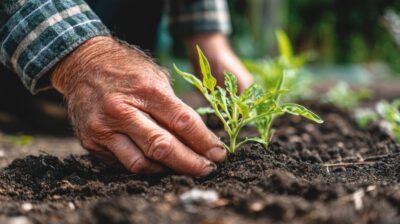
Ordering bare root trees and shrubs is an exciting step toward building a healthier landscape or wildlife habitat. The plants may still be dormant when they arrive, but they are full of potential. The success of that potential depends heavily on what happens before the box ever reaches your door. Bare root plants need to go into the ground promptly, which means your planting site must be ready in advance. When preparation is done early, planting day feels simple and efficient instead of rushed and stressful.
Start by studying your planting area
Every property has unique growing conditions. Before you think about digging holes, spend time understanding where your new trees and shrubs will live.
Look at how sunlight moves across your yard or acreage throughout the day. Some areas receive full sun while others stay shaded for long periods. Most wildlife trees and shrubs prefer generous sunlight, but certain species do better with partial shade. Observing light patterns ahead of time prevents planting in the wrong spot.
Next consider water movement. After a rainstorm, note where puddles form or where soil stays wet longer than surrounding areas. Poor drainage can damage young roots and slow growth. If you identify soggy zones, you can improve drainage or choose moisture tolerant species for those locations.
Also take note of wind exposure. Open fields and hilltops experience strong winds. This is helpful if you are creating a windbreak or shelterbelt but less ideal for young plants without protection. Planning now lets you decide where staking or temporary barriers may be helpful after planting.
Check your soil before planting day
Soil preparation is one of the most valuable steps you can take. Bare root plants rely on loose, workable soil so new roots can expand quickly. If your soil is compacted from foot traffic or equipment, break it up in advance. Use a shovel, garden fork, or tiller to loosen the area where each plant will go.
If you have heavy clay soil, mix in organic material such as compost or aged leaf matter. This improves drainage while keeping moisture available to roots. Sandy soil benefits from organic matter as well because it helps retain water and nutrients. Improving soil structure before delivery means you are not rushing to fix it while plants wait to be planted.
A basic soil test is also useful. It provides information about pH and nutrient levels. While many native trees and shrubs are adaptable, correcting major imbalances early helps young plants get established more easily.
Map out your planting layout
Once your site and soil are evaluated, decide exactly where each tree and shrub will be planted. This is especially important when you are planting multiple species or creating layered wildlife habitat.
Use small flags, stakes, or spray paint to mark planting spots. Check recommended spacing for each species, so plants have enough room to mature without crowding. Remember that bare root plants may look small now, but many will grow quickly in just a few seasons.
If you are planting a windbreak, privacy screen, or wildlife corridor, marking straight lines and consistent spacing makes planting faster and gives the finished project a clean, intentional look.
Taking time to map your layout ahead of delivery also prevents last minute guesswork when boxes of plants are sitting nearby waiting to go into the ground.
Dig holes before your shipment arrives
Pre-digging planting holes is one of the most helpful preparation steps. It speeds up planting and reduces the amount of time bare roots are exposed to air.
Each hole should be wide enough to allow roots to spread naturally. Avoid narrow holes that force roots to bend or twist. Depth is equally important. The plant should sit at the same soil line it had in the nursery. Loosen the soil at the bottom of each hole so roots can grow downward without resistance.
Place the excavated soil beside each hole so it is ready for backfilling. If you plan to mix compost or soil amendments, blend them with the removed soil now. When planting day comes, you simply set the plant in place and refill the hole.
If you expect frozen ground early in the shipping season, dig as soon as soil conditions allow. Being prepared avoids delays if your shipment arrives earlier than expected.
Remove weeds and turf in advance
Weeds and grass compete aggressively with young trees and shrubs for water and nutrients. Clearing the planting area before delivery gives your bare root plants a stronger start.
For small areas, manually remove sod and weeds. For larger planting projects, many customers prepare planting strips ahead of time using cardboard or biodegradable weed barriers. Some prefer to clear areas a few weeks early to let existing vegetation die back naturally.
Starting with a clean planting zone reduces maintenance later and improves overall survival during the first growing season.
Make sure water access is ready
Newly planted bare root stock needs consistent moisture. Before your shipment arrives, plan how you will water.
If you have outdoor spigots nearby, lay out hoses in advance. If planting in a remote area, prepare buckets, water tanks, or transport containers. Having a reliable watering plan prevents stress on plants during their most critical establishment period.
Mulch should also be gathered ahead of time. Mulch helps conserve moisture, regulate soil temperature, and suppress weeds. Keeping mulch ready means, you can apply it immediately after planting.
Gather tools before planting day
Planting goes much more smoothly when everything is on hand. Common tools include shovels, gloves, buckets, pruning shears, watering equipment, and mulch. If you are planting many trees, an auger or post hole digger can save time and effort.
If you order multiple species, prepare plant labels or a simple planting map. Once leaves appear later in the season, you will be glad you recorded what was planted where.
Have a short-term storage plan
Bare root plants should be planted quickly, but weather does not always cooperate. Heavy rain or sudden cold snaps may delay planting briefly. Prepare a shaded, cool space such as a garage, shed, or protected outdoor area where plants can rest temporarily if needed.
This simple plan prevents rushed decisions and protects plant quality if unexpected conditions arise.
A smooth planting day starts with preparation
When your Cold Stream Farm shipment arrives, you want planting to feel rewarding rather than overwhelming. Proper site preparation ensures that roots go into welcoming soil, spacing is correct, water is available, and holes are ready. Instead of scrambling to catch up, you can focus on placing each plant carefully and confidently.
Bare root trees and shrubs are a reliable and economical way to build landscapes and wildlife habitats. With thoughtful preparation before delivery, you give them the best possible start. That preparation pays off in stronger survival, faster growth, and healthier planting for years to come.
A little work before your shipment arrives turns planting day into a smooth and successful experience. Contact Cold Stream Farm at (231) 464-5809 today or visit us online for more information!