
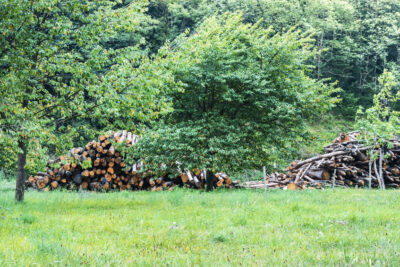
If you want to attract more birds and small animals to your property, you do not need complicated habitat plans or professional landscaping. Two of the easiest and most natural methods are building brush piles and planting shelterbelts made from hardy shrubs. These simple features give wildlife the protection, food, and structure they rely on throughout the year, especially in wide open areas where cover can be scarce.
Brush piles work instantly, and shelterbelts become more valuable with every season. Together they create dependable habitat that supports everything from songbirds to rabbits to helpful insects. Here is how these features work and how they can transform your land into a wildlife haven.
Why Brush Piles Make Such a Big Difference
A brush pile might look like a stack of branches to us, but for wildlife it can mean safety, warmth, and a reliable place to hide. When you create a pile from fallen limbs, trimmed branches, or natural debris, you are mimicking the kind of shelter found on the forest floor. This type of structure is often missing on managed properties or open acreage.
What Brush Piles Provide
- Protection from predators: Small animals can slip into the pile quickly when they feel threatened.
- Insulation from harsh weather: Dense layers of branches block wind and hold warmth, which is especially important in winter.
- A ready-made home: Birds, chipmunks, and rabbits often nest inside the sheltered center.
- A food source: As the pile ages, insects move in, which brings in birds looking for an easy meal.
Brush piles also break down slowly, enriching the surrounding soil. You can rebuild or refresh them at any time using natural debris from your property.
Shelterbelts: Long-Lasting Habitat Built with Shrubs
While brush piles offer instant cover, shelterbelts deliver long-term habitat benefits. A shelterbelt is a line or cluster of shrubs and trees planted to create a protective barrier. This barrier becomes a safe pathway for wildlife to travel, rest, and feed without being exposed in open areas.
Shrubs are the key to a good shelterbelt because they grow thick and low to the ground. This creates a solid layer of protection that larger trees alone cannot provide.
Shrubs That Work Well in Shelterbelts
At Cold Stream Farm, many of the most popular wildlife shrubs include species that grow quickly and offer both cover and food. Some favorites are:
- Red Osier Dogwood, known for its dense growth and bright red stems
- American Hazelnut, which produces nuts that many animals enjoy
- Elderberry, a fast grower that provides clusters of berries
- Ninebark, valued for its dense form and secure nesting spots
- Highbush Cranberry, which holds fruit well into winter
A shelterbelt made from a mix of these shrubs offers multiple benefits for years to come.
Why Shelterbelts Matter
- Wind protection: The shrubs reduce wind stress on wildlife and help trap drifting snow in a controlled way.
- Consistent food sources: Berries, nuts, and twigs provide reliable nutrition across the seasons.
- Safe travel corridors: Wildlife prefers staying inside dense vegetation when moving between food and shelter.
- Better soil stability: Shrub roots help reduce erosion, especially on slopes or near streams.
Once a shelterbelt is established, it thickens naturally, requiring very little upkeep.
How Both Features Work Together
Brush piles and shelterbelts are even more effective when used in combination. A brush pile can provide immediate cover while shrubs are still young, and once the shrubs mature, the brush pile becomes a secondary hideaway that adds variety to the habitat.
Many landowners place brush piles along the outside edges of shelterbelts or near food sources. This layering of cover creates a more inviting environment for wildlife and gives animals several places to retreat as they move across the property.
Getting Started Is Easy
You do not need a full property overhaul to help wildlife thrive. You can start by:
- Gathering branches and creating your first brush pile
- Planting a selection of native shrubs suited to your soil and sunlight
- Spacing shrubs closely enough to create a thick, protective line as they grow
Over time, these simple steps build a stronger habitat that supports both resident and migrating species.
Cold Stream Farm Can Help You Build Better Habitat
Whether you are managing hunting land, improving a hobby farm, or simply want to see more wildlife around your home, creating brush piles and planting shrub-based shelterbelts is a practical and rewarding approach. These features give birds and small mammals dependable shelter and a food supply they can count on year after year.
Cold Stream Farm offers a wide range of native wildlife shrubs that are ideal for shelterbelts and habitat restoration. If you would like help choosing species for your soil type, sunlight conditions, or long-term goals, we are happy to guide you. Contact Cold Stream Farm at (231) 464-5809 today or visit us online for more information!