
Restoring land back to health—whether it’s reforesting a once-logged property, rehabilitating riverbanks, or planting trees on open acreage—takes thoughtful planning, local knowledge, and most importantly, the right tree species. At Cold Stream Farm, we’ve worked with conservationists, landowners, farmers, and restoration professionals across the Midwest for decades. And we’ve learned a thing, or two about which trees truly go the distance when it comes to land restoration.
If you’re looking to make a lasting impact on the environment—and do it affordably—bare root trees from a trusted wholesale nursery are the way to go. Let’s walk through the top tree (and a few shrub) picks we recommend for large-scale restoration projects.
Choosing the Right Trees Matters More Than You Think
Every property is different, and so is every restoration goal. Some folks are trying to stabilize steep slopes. Others want to bring wildlife back to a cleared-out area. Others still are replanting forest after a wildfire or years of overuse.
That’s why it’s never just about planting any trees. It’s about planting the right trees—species that are native, hardy, and suited to your soil, moisture, and sun exposure. When you choose wisely, your trees are more likely to survive, support native wildlife, and stand strong for decades to come.
Our Favorite Wholesale Trees for Restoration Projects
Here are some of the top-performing trees and shrubs we grow and ship across the lower 48 states—all available in bare root form for easy, cost-effective planting.
Red Oak (Quercus rubra)
Red oak is one of our most popular trees for restoration—and for good reason. It’s strong, fast-growing, and supports a wide range of wildlife. If you’re planting on upland or moderately drained soils, red oak adds long-term value and beauty.
Why we love it:
- Produces acorns that feed deer, turkeys, squirrels, and birds
- Establishes quickly in the right soil
- Grows tall and strong, making it ideal for forest recovery
Eastern White Pine (Pinus strobus)
Need something that grows fast and creates cover? White pine is your tree. It’s excellent for windbreaks, erosion control, and restoring stripped or degraded lands. Plus, it’s beautiful and adaptable.
Best for:
- Shelterbelts and reforestation
- Cold, northern climates
- Sites with poor or sandy soil
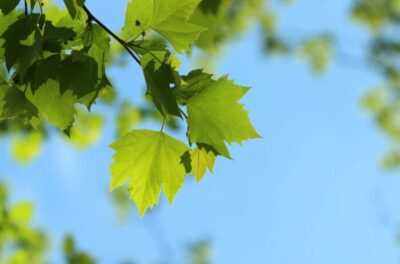
Sycamore (Platanus occidentalis)
If your project involves restoring riverbanks or bottomland, don’t overlook the mighty sycamore. This tree is built for wetter soil and has a knack for holding ground in place with its far-reaching roots.
Benefits include:
- Fast growth and impressive size
- Natural erosion control
- Habitat for birds and small mammals
Eastern Red Cedar (Juniperus virginiana)
This tree thrives where other species struggle. It’s hardy, evergreen, and perfect for protecting land from wind and sun exposure. And as a bonus, it provides cover for birds and pollinators.
Why it works for restoration:
- Handles dry, rocky, and poor soils
- Adds winter interest and habitat
- Ideal for forgotten fields or pasture edges
Quaking Aspen (Populus tremuloides)
If you’ve ever seen a stand of quaking aspens dancing in the breeze, you know how magical they look. But beyond beauty, these fast growers are excellent for quickly repopulating disturbed land, especially after fire or logging.
What makes them great:
- Establish in tough environments
- Support wildlife from insects to large herbivores
- Spread by roots to form colonies—great for covering space
Black Walnut (Juglans nigra)
For those looking to balance restoration with long-term value, black walnut is a standout. It’s a valuable hardwood species that also plays a role in native forest regeneration.
Why plant it:
- Deep taproots stabilize the soil
- Great for future timber harvest
- Supports biodiversity in mixed hardwood ecosystems
Silky Dogwood (Cornus amomum)
We couldn’t leave out the shrubs! Silky dogwood may be smaller, but it’s mighty when it comes to wetland restoration. It’s a go-to species for creek edges, lowlands, and any place where you want dense growth fast.
Why we recommend it:
- Provides berries for birds
- Quickly forms thickets for cover and erosion control
- Great companion plant to taller tree species
Why Bare Root Trees Are the Best Fit for Projects Like Yours
If you’re planting at scale, there’s no better value than bare root trees. Here’s why:
- Easier to plant – No pots, no soil, just roots. They’re light and simple to handle.
- Cost-effective – You get more trees for your budget, perfect for covering big areas.
- Healthier roots – Bare root trees often establish more easily than container-grown ones when handled properly.
Cold Stream Farm specializes in wholesale bare root trees and shrubs, and we’re here to make your large-scale project as successful—and affordable—as possible.
A Few Tips for Planning Your Restoration Order
- Order early – Our inventory is based on field estimates, and availability can change as the season progresses.
- Know your timeline – Shipments usually go out about 3 weeks after confirmation, especially once harvesting is underway.
- Think variety – A mix of species creates a stronger, more resilient ecosystem.
- Match species to your site – Use moisture, soil, and light levels as your guide.
- Read our shipping info – We only ship to the lower 48, and all orders must go through our website.
Whether you’re reclaiming a piece of farmland, creating habitat for wildlife, or helping nature heal, we’re honored to be part of the process. Cold Stream Farm has been supporting restoration efforts for more than 40 years, and we’re proud to offer the species, advice, and service you need to get the job done right.
Contact Cold Stream Farm at (231) 464-5809 today or visit us online for more information!