Creating Pollinator Corridors Across Large Properties

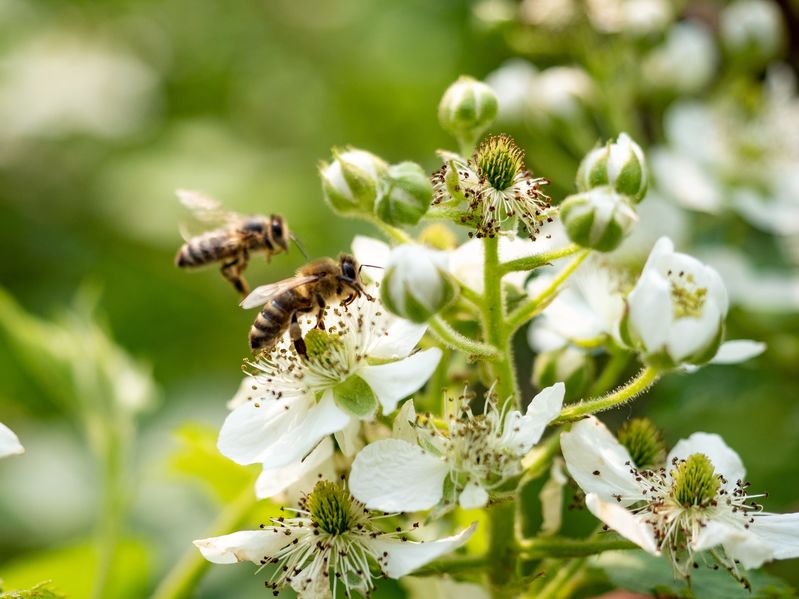
Pollinators are essential to healthy landscapes. Bees, butterflies, hummingbirds, and other pollinating species help plants reproduce, support wildlife populations, and contribute to thriving ecosystems. Unfortunately, habitat loss has made it more difficult for many pollinators to find the food and shelter they need. For owners of large properties, creating pollinator corridors is an excellent way… Read more »

How Native Plantings Can Improve Hunting Properties

Many landowners focus on food plots when trying to improve a hunting property, but food is only one piece of the puzzle. Wildlife needs a complete habitat that provides nourishment, protection, and safe places to travel. Native trees and shrubs can help create all of these elements while improving the overall health of the property…. Read more »

How Shelterbelts Can Improve Crop Yields and Protect Farmland

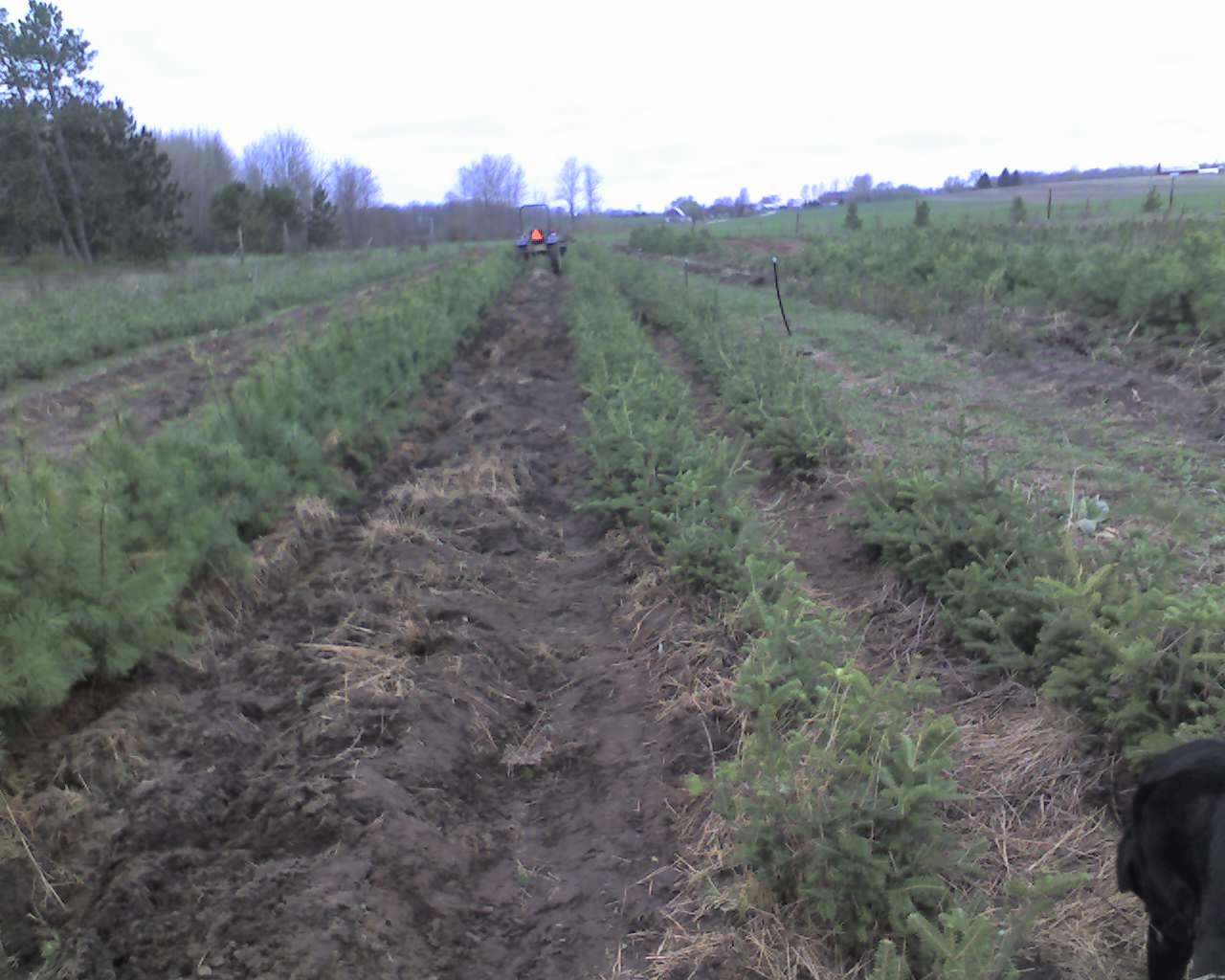
Every farmer understands that success in the field depends on more than good seed and fertile soil. Weather conditions play a major role in crop performance, and one of the most overlooked factors is wind. While wind may seem harmless on most days, constant exposure can dry out soil, damage plants, and contribute to erosion… Read more »

Using Native Trees to Reduce Heat and Improve Rural Property Comfort

When people think about improving rural property, they often focus on buildings, landscaping, or outdoor amenities. However, one of the most effective long-term investments may already be growing in nature. Native trees provide far more than beauty. They can help cool the landscape, create comfortable outdoor spaces, and even lower energy costs for homes and… Read more »

The Role of Native Shrubs in Supporting Pollinators Beyond Summer

It is easy to associate pollinators with the height of summer when flowers are everywhere, and landscapes are full of color. The reality is that pollinators need support long before and long after that peak window. Native shrubs help bridge those gaps by offering consistent food and shelter throughout the growing season, especially in early… Read more »

Using Trees and Shrubs to Improve Soil Health Naturally

When people think about improving soil, they often picture fertilizers, compost, or other added materials. While those can help, one of the most effective and natural ways to build healthy soil is by planting trees and shrubs. Over time, these plants do much more than grow above ground. They actively improve what is happening below… Read more »

The Role of Shrub Density in Protecting Small Wildlife from Predators

When people set out to attract wildlife, they often think about food first. Berry-producing shrubs, seed sources, and flowering plants all play a role. However, shelter is just as important. Small animals need a place where they feel safe from constant threats. Without reliable cover, even the best food sources will not keep wildlife around… Read more »

Designing a Year-Round Food Plot with Trees and Shrubs

A food plot that only produces for one season can feel like a short-lived solution. Wildlife arrives, feeds, and moves on once the buffet is gone. A year-round food plot works differently. It creates a steady supply of nutrition and shelter, so animals feel comfortable staying on your land through every season. The secret to… Read more »

How to Prepare Your Site Before Your Bare Root Shipment Arrives

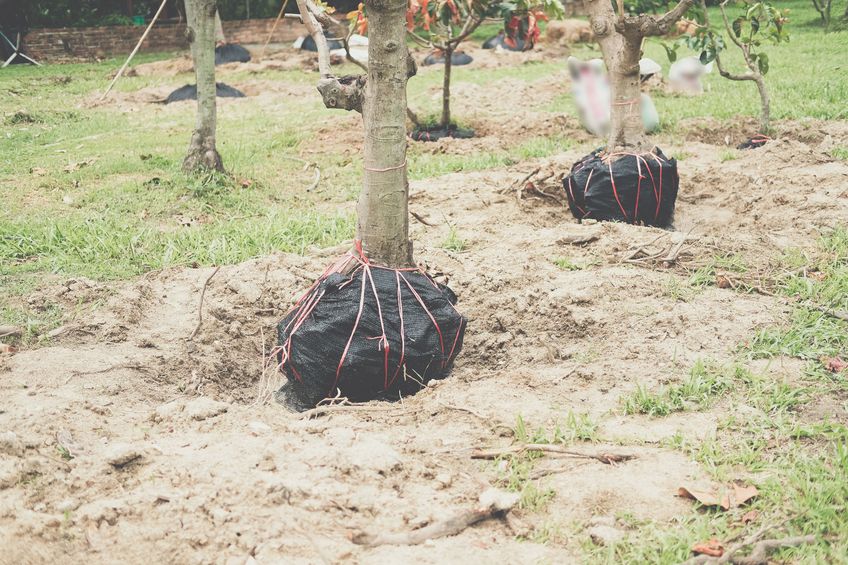
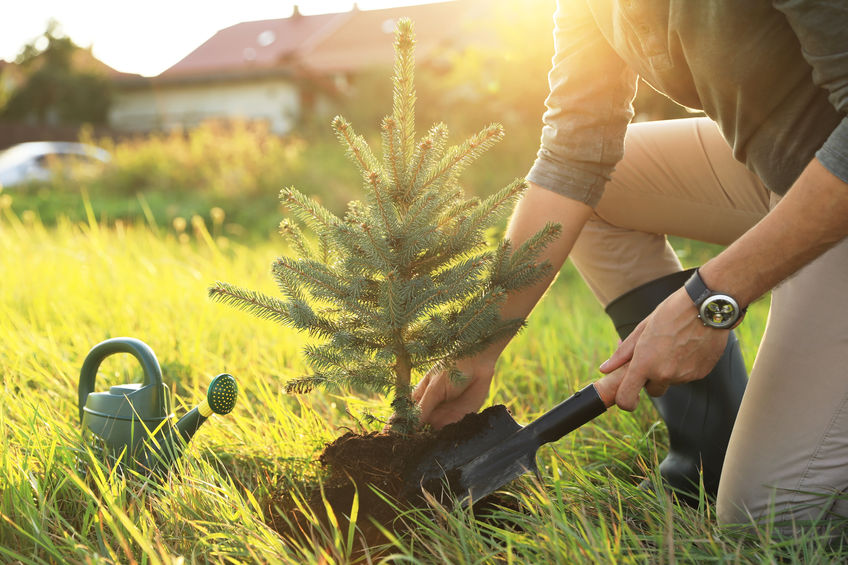
Ordering bare root trees and shrubs is an exciting step toward building a healthier landscape or wildlife habitat. The plants may still be dormant when they arrive, but they are full of potential. The success of that potential depends heavily on what happens before the box ever reaches your door. Bare root plants need to… Read more »

Why Thickets Matter: The Wildlife Value of Dense Shrub Groupings

Wildlife habitat is often imagined as tall trees and wide-open forests. While trees are important, many animals depend just as much on what happens closer to the ground. Dense shrub thickets create some of the most valuable habitat on a property, even though they are easy to overlook. These tightly planted groupings form shelter, feeding… Read more »