
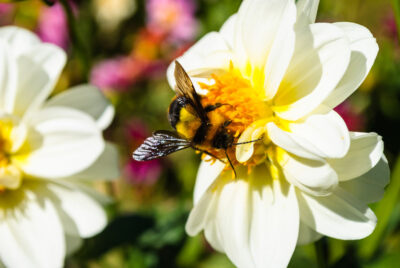
Bees buzzing through blossoms, butterflies dancing from flower to flower, hummingbirds hovering with their wings beating in a blur—pollinators bring life and movement to our landscapes. But beyond their beauty, these creatures are essential. They ensure plants reproduce, fruits ripen, and ecosystems stay balanced. Without them, our food supply and natural spaces would look very different.
Pollinator populations have been in decline due to habitat loss, pesticides, and changing climates. The solution is closer than you think: you can help support pollinators by planting flowering trees and shrubs that provide nectar, pollen, and shelter. At Cold Stream Farm, we specialize in wholesale bare root trees and shrubs, many of which are perfect for creating pollinator-friendly habitats.
Why Pollinators Depend on Trees and Shrubs
When people picture pollinator gardens, they usually think of colorful flowers and wildflower meadows. While those are important, flowering trees and shrubs are equally vital—and sometimes even more impactful.
- A single blooming tree can feed thousands of pollinators at once.
- Shrubs and trees extend the blooming season, offering nectar early in spring and late into fall.
- Their branches and foliage provide nesting areas and shelter for bees, butterflies, and even hummingbirds.
- They offer diversity—different blossoms appeal to different species, ensuring more pollinators are supported.
By planting a mix of flowering trees and shrubs, you create a layered landscape where pollinators can find food and refuge throughout the year.
Pollinator-Friendly Trees to Consider
Here are a few tree varieties that do more than shade your yard—they’re magnets for pollinators:
Basswood (Tilia americana)
Sometimes called the “bee tree,” basswood produces sweetly fragrant flowers that bees swarm to in early summer. Its timing is critical because it provides nectar when many other plants aren’t in bloom.
Red Maple (Acer rubrum)
As one of the earliest bloomers, red maple flowers give pollinators a much-needed food source right as they emerge from winter. This early burst of nectar helps bees and butterflies kick off the season strong.
Black Cherry (Prunus serotina)
In spring, black cherry trees produce clusters of delicate white blossoms that attract pollinators in droves. Later in the season, their fruit feeds birds and wildlife, making them a multi-benefit tree.
Crabapple (Malus species)
Known for their vibrant spring flowers, crabapples are not only ornamental but also full of nectar. Bees, butterflies, and hummingbirds are frequent visitors, and the fruit sustains wildlife into the fall.
Shrubs That Attract and Sustain Pollinators
Shrubs play a different but equally important role. They bring blossoms closer to the ground and often bloom at times when trees don’t.
Dogwood (Cornus species)
Dogwoods produce clusters of nectar-rich flowers that attract butterflies and hummingbirds. Their bright berries later in the season extend their value for wildlife.
Elderberry (Sambucus canadensis)
Elderberry shrubs bloom in late spring, offering clouds of tiny white flowers loved by bees. Later, the berries are a food source for birds and small mammals.
Serviceberry (Amelanchier species)
Serviceberries are among the first shrubs to bloom in spring, offering critical early forage for hungry pollinators. Their fruit is a favorite of both birds and people.
Viburnum (Viburnum species)
Viburnums provide clusters of showy, fragrant flowers that draw in bees and butterflies. With so many varieties available, they fit well into both formal and natural landscapes.
Creating a Pollinator-Friendly Landscape
Planting trees and shrubs is a powerful start, but how you design and care for your landscape also matters. Here are a few simple ways to maximize your efforts:
- Plant for a full season of blooms. Mix species so pollinators have something to eat in early spring, mid-summer, and late fall.
- Go native when possible. Native species tend to be best matched to local pollinators.
- Avoid chemicals. Pesticides, even those marketed as “bee safe,” can harm pollinators. Opt for natural alternatives.
- Group plantings. Larger clusters of trees and shrubs are easier for pollinators to find and more rewarding for them to forage.
- Provide water. A shallow dish of water with pebbles or sticks gives bees and butterflies a safe place to rest and rehydrate.
From Backyard to Conservation
One of the advantages of working with Cold Stream Farm is that we provide wholesale bare root trees and shrubs. That means you can plant pollinator-friendly landscapes not just in your backyard but across entire properties, farms, or community spaces.
- Farmers can boost crop pollination by planting flowering windbreaks and hedgerows.
- Townships and conservation groups can restore habitats along trails, parks, and natural corridors.
- Homeowners can plant just a few shrubs or trees and still make a difference.
Every order, whether large or small, adds to the patchwork of pollinator habitat we need to keep ecosystems thriving.
Pollinators are small, but their impact is enormous. By planting flowering trees and shrubs, you’re giving bees, butterflies, and hummingbirds the resources they need to survive—and in return, they’ll keep your landscape blooming, fruiting, and thriving.
At Cold Stream Farm, we’re proud to supply a wide variety of trees and shrubs that not only enhance outdoor spaces but also support pollinators at every stage of the season.
Contact Cold Stream Farm at (231) 464-5809 today or visit us online for more information!