
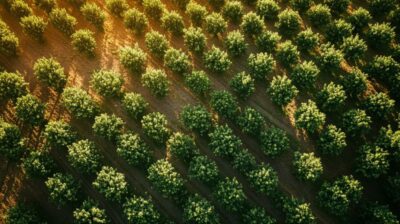
Many rural properties include sections of land that never seem to perform well for traditional farming. These areas may struggle with poor soil, excess moisture, uneven terrain, or ongoing erosion. While they can be frustrating for crop production, marginal fields offer valuable opportunities for conservation and habitat restoration. With thoughtful planning and the right selection of trees and shrubs, property owners and land investors can turn underproductive acreage into vibrant wildlife environments that improve both ecological function and long-term property appeal.
Seeing Opportunity in Challenging Ground Conditions
Marginal farmland often includes sandy soils, compacted ground, or low-lying zones that hold water during wet seasons. Instead of forcing these areas into conventional agricultural use, many landowners are choosing to work with natural conditions. Native trees and shrubs are well suited to these environments and can adapt to varying moisture levels and soil quality. When planted strategically, they begin to reshape the landscape by stabilizing soil and encouraging healthier plant communities.
Over time, these plantings help restore natural balance. Areas that once produced inconsistent yields can develop into productive habitat zones that support birds, pollinators, and small mammals. This shift in land use allows owners to maximize the value of every acre while promoting responsible stewardship.
Providing Shelter and Reliable Food Sources for Wildlife
Creating wildlife habitat involves more than simply planting trees. The most successful projects focus on layering different plant types to offer year-round benefits. Evergreen trees provide dependable cover during winter months when temperatures drop, and food becomes scarce. Flowering and fruit bearing shrubs supply nectar, berries, and seeds that sustain wildlife throughout the growing season.
Combining taller canopy species with dense understory shrubs helps form protective travel corridors and nesting areas. These natural structures attract a broader range of wildlife and encourage long term habitat use. When plant selections are matched to local climate conditions, the resulting habitat becomes more resilient and easier to maintain.
Strengthening Soil and Reducing Erosion Risks
One of the greatest advantages of habitat plantings is their ability to improve soil health. Marginal farmland is often vulnerable to wind and water erosion, especially where vegetation is sparse. Tree and shrub roots help anchor the soil, reducing the likelihood of sediment loss during storms or seasonal runoff.
As leaves and organic material accumulate on the ground, they gradually break down and enrich the soil with nutrients. This process enhances moisture retention and supports beneficial microbial activity. In time, previously degraded areas can evolve into stable ecosystems that require less intervention and provide lasting environmental value.
Improving Water Flow and Landscape Stability
Strategic vegetation placement also plays an important role in managing water movement across a property. Planting shrubs along drainage paths or establishing tree buffers near low areas can help slow runoff and filter excess sediment before it reaches nearby waterways. These natural barriers contribute to improved water quality and reduce the risk of flooding during heavy rain events.
Habitat plantings can also assist in capturing snow and rainwater, allowing it to soak gradually into the soil rather than pooling on the surface. This improved water balance benefits surrounding fields and helps create a more functional and sustainable rural landscape.
Adding Value for Landowners and Investors
Beyond environmental benefits, converting marginal farmland into wildlife habitat can enhance the overall appeal of a property. Recreational buyers often seek land that offers natural beauty and outdoor opportunities. Established tree rows, thriving shrub plantings, and visible wildlife activity can make a property more attractive for hunting, nature observation, or conservation partnerships.
Habitat improvements may also open the door to potential income through land leasing or participation in conservation programs. For investors focused on long term growth, thoughtful planting strategies can support property appreciation while reducing maintenance challenges associated with poorly performing farmland.
Taking a Phased Approach to Habitat Restoration
Large scale planting projects do not need to happen all at once. Many landowners find success by focusing first on the most vulnerable or underused sections of their property. Addressing erosion prone slopes, field edges, or wet ground areas can deliver noticeable improvements early in the process.
Working with quality bare root trees and shrubs helps establish strong root systems that adapt quickly to site conditions. By expanding plantings gradually over several seasons, property owners can monitor progress and refine their habitat plans as the landscape evolves.
Marginal farmland does not have to remain a source of frustration or limited productivity. With strategic plantings and a conservation focused mindset, these acres can become thriving wildlife habitats that benefit both nature and landowners. The transformation supports healthier soil, improved water management, and increased property value over time.
For those who are committed to sustainable land stewardship, investing in habitat restoration is a meaningful way to protect natural resources while creating a legacy for future generations. Contact Cold Stream Farm at (231) 464-5809 today or visit us online to get started on your tree and shrub wholesale order!